Best overall for combined color and shape concerns: porcelain veneers. Best for small spacing problems: clear aligners. Best for stains on natural teeth: professional whitening. This 2026 guide compares dental bonding alternatives so you can match a minor smile concern to a treatment that addresses its cause.
- Porcelain veneers lead dental bonding alternatives when you want to change both tooth color and shape.
- Professional whitening treats discoloration, not chips, gaps, or uneven tooth edges.
- Clear aligners address tooth position; enamel contouring smooths suitable minor edge irregularities.
- Mysmiletheory offers cosmetic dentistry for Spring patients seeking a personal dentist to discuss their smile concerns.
Why this matters
A small smile flaw does not automatically need a covering, a filling, or a bigger treatment plan. The right choice depends on whether you want to change tooth color, tooth shape, or tooth position—and whether the tooth is healthy.
Mysmiletheory is a local dental care option for Spring patients who want a personal dentist to discuss dental bonding alternatives. You can start that conversation through Mysmiletheory, a dental clinic offering general, cosmetic, restorative, and family dentistry.
This 2026 comparison separates cosmetic goals from repair needs. A painless uneven edge is different from a new chip with sensitivity, and a small gap is different from a bite problem. Tell your dentist what bothers you, then ask what the tooth actually needs.
What makes the best dental bonding alternatives?
The best alternative solves your concern without treating more tooth than necessary. Use these criteria to compare recommendations:
- Problem match: Whitening changes color, aligners change position, and contouring changes a small amount of tooth shape.
- Tooth preservation: Ask whether treatment removes enamel and whether a less invasive option addresses the same concern.
- Natural appearance: Discuss shape, shade, and proportion rather than requesting identical, bright-white teeth.
- Tooth health: Decay, gum disease, cracks, and bite pressure need attention before cosmetic decisions.
- Ongoing care: Compare daily care, potential repairs, and what happens if your preferences change.
- Treatment burden: Consider appointments, daily participation, and whether the change is reversible.
Do not choose by the most dramatic before-and-after photo. Choose by the smallest appropriate change that addresses your concern and keeps your teeth healthy.
Dental bonding alternatives at a glance
This 2026 ranking is a decision guide, not a claim that one treatment is best for every smile. Each option has a different job.
| Option | Best for | Standout feature | Key limitation |
|---|---|---|---|
| Dental veneers in Spring | Combined color and shape concerns | Cover the visible front surface of a tooth | Often require irreversible enamel removal |
| Whiter-smile treatments, including professional whitening | Discoloration of natural teeth | Change shade without adding a tooth covering | Do not repair chips or change tooth position |
| Clear aligners and other gap-closing options | Suitable small gaps or mild misalignment | Move teeth rather than making them wider | Require participation and retention afterward |
| Enamel contouring | Minor uneven edges or small shape irregularities | Reshape a limited amount of enamel | Cannot replace missing tooth structure |
| Observation with routine dental care | A healthy, stable irregularity that does not bother you | Avoids unnecessary cosmetic treatment | Does not change the tooth's appearance |
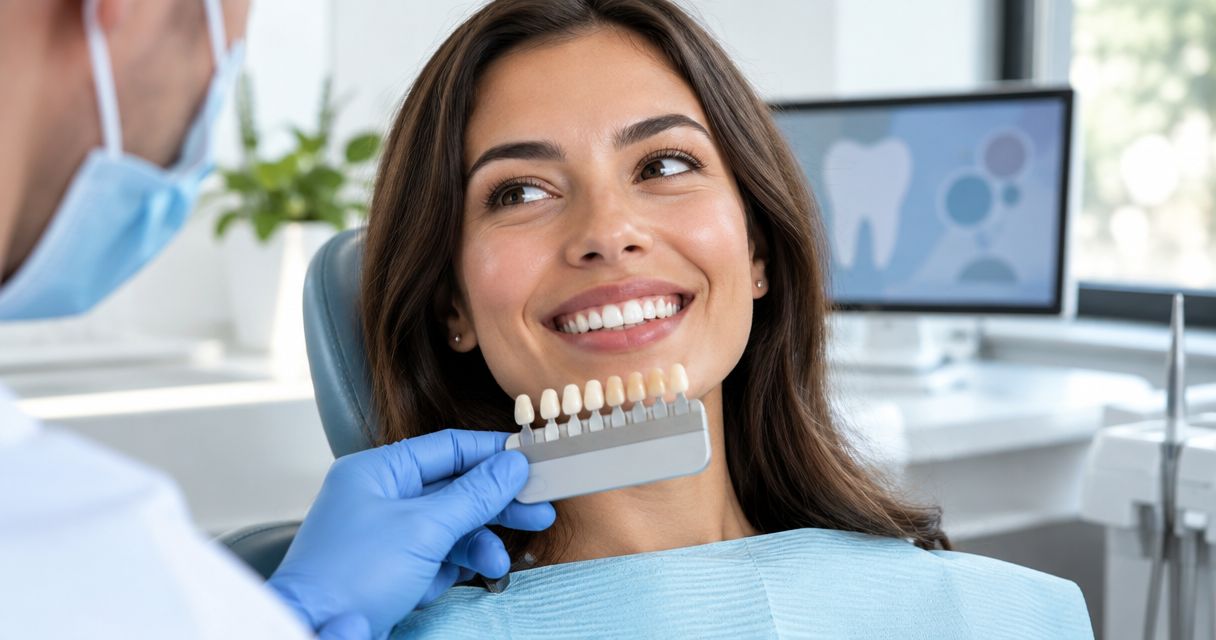
1. Porcelain veneers: best for combined color and shape concerns
Porcelain veneers are thin coverings attached to the front of teeth. They can address visible shape differences and discoloration together, making them a stronger match than whitening when your concern is not just shade.
For a very small flaw, however, a veneer can be more treatment than you need. Discuss how much enamel preparation is proposed, especially when the tooth is otherwise healthy.
Porcelain veneers pros:
- Address more than one appearance concern on the same tooth.
- Allow planned changes to visible tooth shape and shade.
- Offer an alternative when whitening alone cannot meet the cosmetic goal.
Porcelain veneers cons:
- Enamel preparation is often irreversible.
- Veneers can chip or require replacement.
- They do not correct the underlying position of teeth or treat gum disease.
Best for: Healthy teeth with overlapping color and shape concerns that justify a covering.
Ask to discuss natural-looking proportions, not just whiteness. A tooth that looks attractive in isolation still needs to fit your neighboring teeth, smile, and bite. Also ask whether whitening or orthodontic treatment should come first, since veneers do not move tooth roots.
Verdict: Hold until a dentist confirms that a veneer is appropriate; skip veneers for a tiny flaw that a simpler option can address.
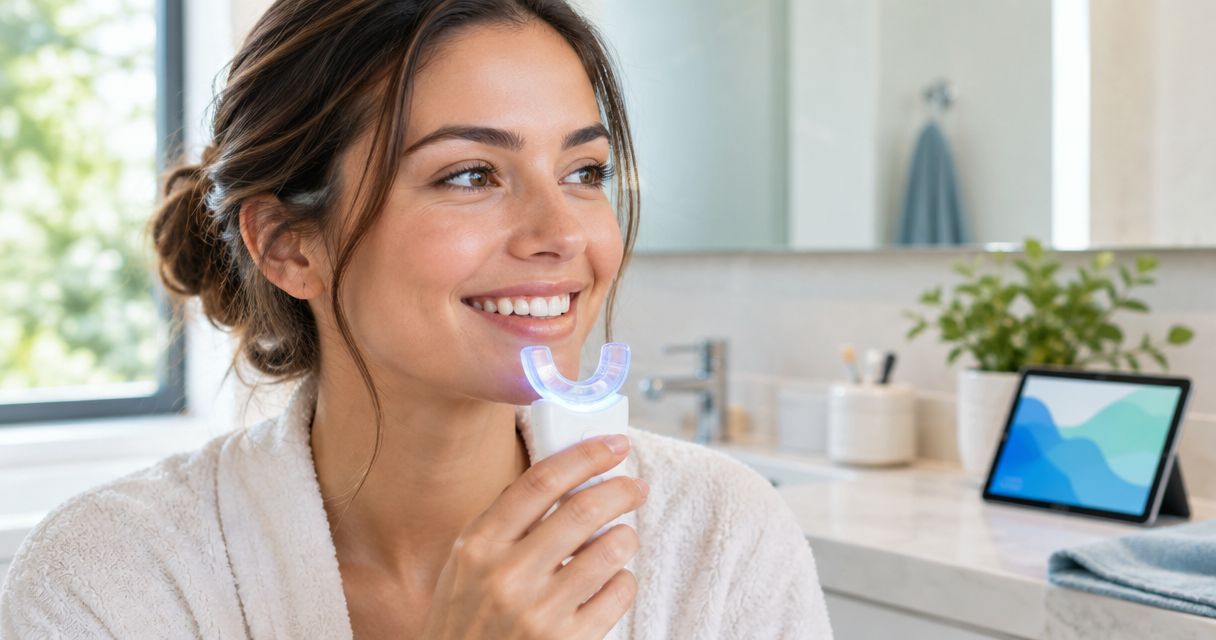
2. Professional whitening: best for discoloration of natural teeth
Professional whitening uses bleaching agents to lighten natural teeth. It is a dental bonding alternative when the reason you considered bonding was color rather than a chip, gap, or shape concern.
Whitening does not change the color of existing veneers, crowns, or tooth-colored fillings. That distinction matters if your smile includes restorations that already match your current shade.
Professional whitening pros:
- Changes tooth color without covering the tooth.
- Leaves tooth shape and position unchanged.
- Lets you assess whether a color change alone meets your goal.
Professional whitening cons:
- Can cause temporary tooth sensitivity or gum irritation.
- Does not repair damaged tooth structure.
- Can leave a shade mismatch between natural teeth and existing restorations.
Best for: People whose main concern is discoloration of natural teeth, after a dentist checks the cause.
Before choosing whitening in 2026, point out any single tooth that has changed color differently from the others. A dentist should assess that change rather than treating it as a routine stain. Explain whether your concern is overall shade, a localized mark, or a mismatch with existing dental work.
Verdict: Choose whitening for suitable discoloration; skip it as a solution for chips, gaps, or uneven edges.
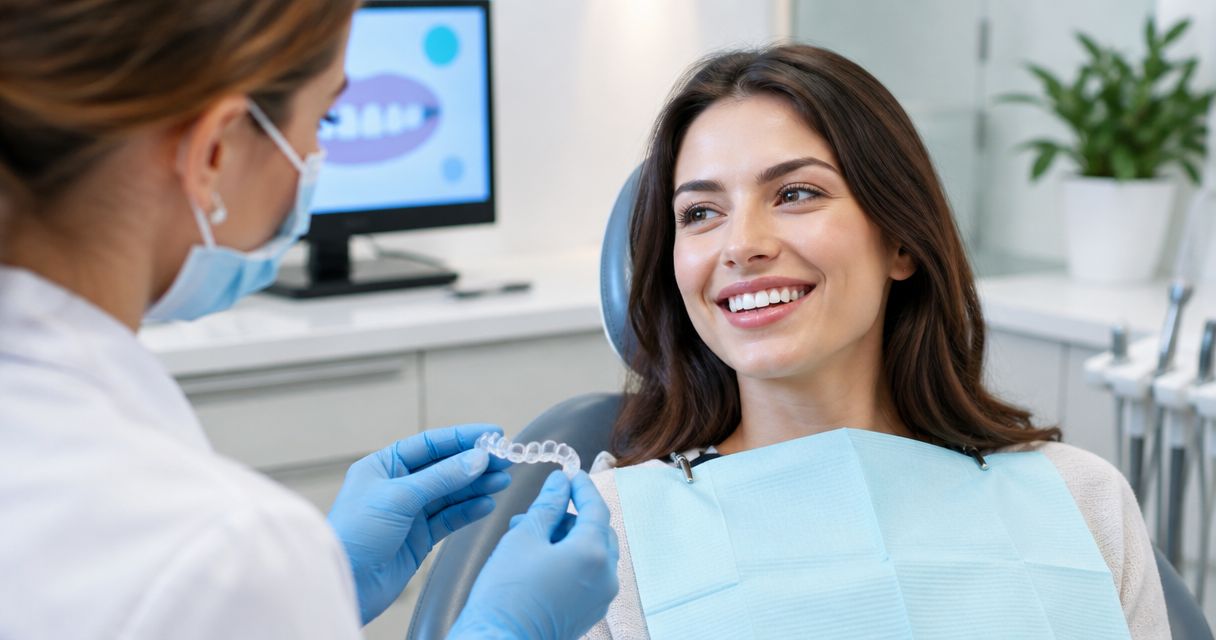
3. Clear aligners: best for suitable small gaps or mild misalignment
Clear aligners are removable trays that move teeth through a planned sequence. Unlike bonding, which adds material to a tooth, aligners address tooth position.
That difference matters when a gap comes from spacing or alignment rather than a tooth being unusually narrow. Closing the space by moving teeth can avoid making the neighboring teeth look wider.
Clear aligners pros:
- Address positioning rather than covering the visible concern.
- Do not rely on adding material to fill a gap.
- Are removable for eating and oral hygiene.
Clear aligners cons:
- Require consistent wear according to your treatment instructions.
- Are not appropriate for every bite or spacing problem.
- Require retention afterward to help maintain the result.
Best for: Patients with suitable spacing or alignment concerns who can follow a daily treatment routine.
A small-looking gap still needs an explanation. Tooth size, tooth position, gum health, and bite relationships can affect the plan. Ask whether moving the teeth will fully address your concern or whether a remaining shape difference would need separate attention.
For a 2026 treatment decision, compare the whole commitment—not just how discreet the trays look. Include follow-up visits, cleaning, daily wear, and retainers in that conversation.
Verdict: Choose clear aligners when tooth position is the problem; skip them as a stand-alone answer to a chipped or discolored tooth.
4. Enamel contouring: best for minor uneven tooth edges
Enamel contouring removes a small amount of enamel to smooth or reshape a tooth. It can suit a slight edge irregularity when enough healthy enamel is present and the planned change fits your bite.
Contouring takes material away. It cannot rebuild a missing corner, lengthen a short tooth, or fill a gap.
Enamel contouring pros:
- Directly addresses suitable minor shape irregularities.
- Does not add a filling or covering to the tooth.
- Can keep the change limited to the edge that bothers you.
Enamel contouring cons:
- Removed enamel does not grow back.
- Its scope is limited by available enamel and tooth health.
- It is unsuitable when the tooth needs added structure or a larger repair.
Best for: A healthy tooth with a small uneven edge that a dentist confirms can be safely reshaped.
Bring attention to the exact edge you dislike. An edge that feels rough to your tongue can have a different cause from an edge that simply looks uneven in photographs. Your dentist needs to distinguish harmless shape variation from wear, a chip, or a crack before smoothing anything.
Do not file a tooth at home. You cannot judge safe enamel removal or bite effects by looking in a mirror.
Verdict: Choose contouring only for a suitable minor shape change; skip it when tooth structure needs replacing.
5. Observation: best for a healthy flaw you do not want to change
Observation means leaving a healthy, stable cosmetic irregularity alone while continuing routine dental care. It is a valid alternative when the feature does not affect function and does not bother you enough to justify treatment.
This is not the same as ignoring symptoms. A new chip, pain, swelling, or changing tooth color needs assessment.
Observation pros:
- Preserves existing tooth structure.
- Avoids treatment undertaken only to meet someone else's idea of a perfect smile.
- Leaves room to reconsider cosmetic options later.
Observation cons:
- Does not change the feature you see.
- Requires a dentist to distinguish a cosmetic variation from a health issue.
- Is not a substitute for treating decay, damage, or gum disease.
Best for: A healthy, stable irregularity that you are comfortable keeping.
If you are unsure, describe what bothers you without committing to a procedure. You do not need a treatment plan simply because you noticed a small difference between teeth. A useful consultation can end with reassurance, a monitoring plan, or a clearer understanding of your options.
Verdict: Wait on cosmetic treatment when the tooth is healthy and you are happy with your smile; do not wait on new symptoms.
How to narrow your choice before an appointment
Start with the concern, not the procedure name. These questions help you explain your goal without deciding in advance what a dentist should recommend.
- Color: Does the tooth's shade bother you, while its shape and position feel right?
- Shape: Is the issue an uneven edge, a small chip, or a tooth that looks narrow?
- Position: Is the concern a gap, crowding, or the way teeth line up?
- Health: Is there pain, sensitivity, a recent injury, or a change that needs assessment first?
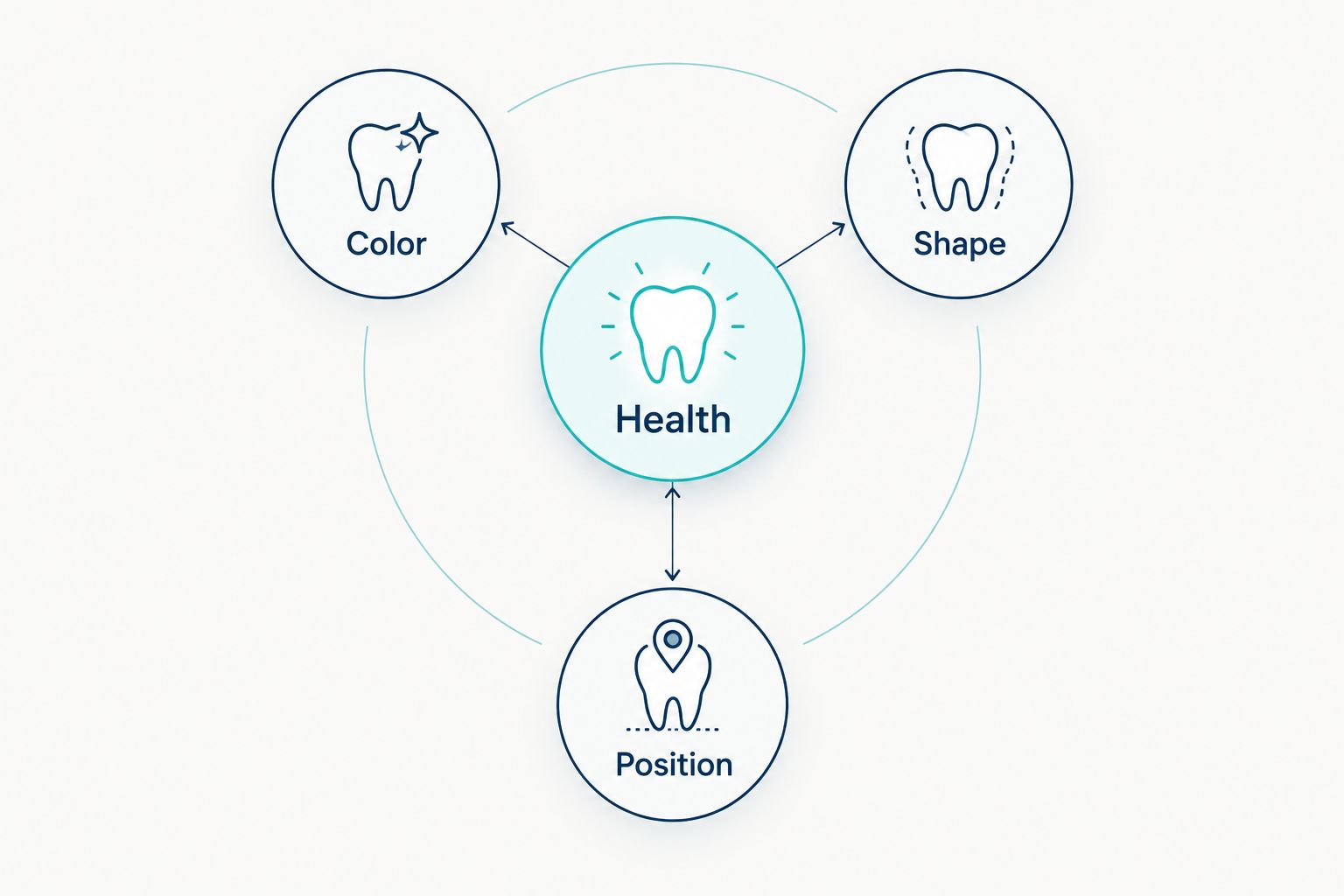
At Mysmiletheory, frame your cosmetic dentistry conversation around what you want to keep as well as what you want to change. Perhaps you like your natural tooth color but dislike one edge. That is a different goal from wanting an overall shade change.
How these alternatives are ranked
This guide ranks treatments by problem match, tooth preservation, natural appearance, and ongoing care—not by popularity. Porcelain veneers lead for combined concerns, while whitening, aligners, and contouring each take a narrower role.
The ranking does not replace an examination. A treatment that fits the photograph of your smile can still be wrong for your enamel, gums, or bite.
Which dental bonding alternative should you choose?
Choose the option that treats the actual cause of your concern with the least appropriate intervention. For an undecided reader, the default next step is an examination, not veneers or a larger cosmetic plan.
If color is the only concern, discuss whitening first. If tooth position is the issue, discuss orthodontic treatment. If a small edge is uneven, ask whether contouring is suitable; if color and shape both need changing, discuss veneers alongside more conservative options.
For patients considering dental bonding alternatives in 2026, Mysmiletheory provides a local setting to discuss cosmetic goals and dental health together. Bring your questions and explain what a comfortable, natural-looking result means to you.
Discuss your smile concerns
Explore your cosmetic dentistry goals with a personal dentist in Spring, Texas.
FAQ
What's the best alternative to dental bonding for a small chip?
The best alternative depends on how much tooth structure is missing and whether the tooth is healthy. Contouring can smooth a suitable minor edge irregularity, while a larger chip needs a repair assessment rather than cosmetic reshaping alone.
Are porcelain veneers better than dental bonding?
Porcelain veneers are not better for every minor flaw. They can suit combined color and shape concerns, but often involve more irreversible tooth preparation than a small bonding repair.
Can whitening replace bonding for stained teeth?
Whitening can replace a proposed cosmetic covering when suitable discoloration is the only concern. It does not change the shade of existing crowns, veneers, or tooth-colored fillings, and some discoloration needs a different approach.
Can clear aligners close a small gap without bonding?
Clear aligners can close suitable gaps by moving teeth. A dentist must assess tooth size, position, gum health, and bite relationships to determine whether movement alone will address the space.
Is enamel contouring permanent?
Enamel contouring permanently removes the enamel used to reshape the tooth. That is why a dentist must confirm that the proposed change is small enough and safe for the tooth.
Do I need treatment for a tiny uneven tooth?
You do not automatically need cosmetic treatment for a healthy, stable uneven tooth. An examination can distinguish a harmless variation from damage, wear, or another issue that needs care.
What should I ask before choosing dental bonding alternatives in 2026?
Ask what caused the concern, whether the tooth is healthy, and which option preserves the most appropriate amount of tooth structure. Also discuss reversibility, daily care, potential repairs, and how the result will fit your natural smile.
One last thing
You do not need identical teeth to have a smile you enjoy. Before changing anything, name one feature you want to preserve—your natural shade, a familiar tooth shape, or the character of your smile.
Whatever option you choose, keep the basics: brush for 2 minutes, 2 times a day, with fluoride toothpaste, and clean between your teeth 1 time a day. Cosmetic changes do not replace daily care or dental visits.