Best for protecting teeth during sleep: a dentist-fitted night guard. Best for daytime clenching: habit-awareness training. Best for persistent jaw-muscle pain: an examination followed by guided physical therapy when appropriate. This 2026 guide explains how to choose teeth grinding and jaw clenching treatment without confusing tooth protection with a cure.
- Teeth grinding and jaw clenching treatment depends on whether symptoms occur during sleep, while awake, or both.
- A dentist-fitted night guard protects teeth but does not reliably stop grinding.
- Habit-awareness training targets daytime clenching; persistent pain needs an examination.
- Mysmiletheory offers general dental care in Spring, Texas, a starting point for discussing grinding symptoms.
Why this matters
Teeth grinding, also called bruxism, and jaw clenching do not always need the same treatment. Some people notice worn teeth without pain; others have sore chewing muscles even when their teeth look unchanged.
Protecting your teeth and reducing jaw pain are separate treatment goals. A guard addresses contact between teeth, while daytime habits, sleep concerns, and muscle symptoms need their own attention.
Mysmiletheory is a local starting point for a dental examination in Spring, Texas. Describe when symptoms happen and what feels different rather than trying to arrive with a diagnosis.
What makes the best teeth grinding treatment?
The best choice fits your symptoms, protects healthy teeth, and leaves room to adjust the plan. Use these criteria when discussing options:
- Timing: Treatment should distinguish awake clenching from grinding during sleep.
- Purpose: Know whether the goal is tooth protection, muscle comfort, or addressing a contributing condition.
- Reversibility: Start with conservative measures rather than permanent changes to your bite.
- Fit and comfort: An appliance should receive a fit assessment and follow-up, not just sit between your teeth.
- Follow-through: A useful plan explains what to monitor and when to return.
These criteria matter more than finding a single treatment labeled the strongest or fastest. In 2026, a sensible starting question remains: what problem is this option actually treating?
Treatment options at a glance
| Option | Best for | Main role | Key limitation |
|---|---|---|---|
| Dentist-fitted night guard | Tooth protection during sleep | Separates teeth and limits direct wear | Does not reliably stop grinding |
| Habit-awareness training | Daytime clenching | Helps interrupt sustained tooth contact | Requires repeated awareness |
| Guided physical therapy | Persistent muscle-related jaw pain | Supports comfortable movement and muscle function | Needs assessment and individualized guidance |
| Sleep evaluation | Grinding alongside breathing concerns | Investigates a possible sleep disorder | Does not replace dental protection |
| Medication review | Symptoms following a medication change | Checks for a possible medicine-related contribution | Changes require the prescriber |
| Restorative dental care | Existing chips, cracks, or worn teeth | Repairs damage when clinically necessary | Does not treat the grinding itself |
1. Dentist-fitted night guard: best for protecting teeth during sleep
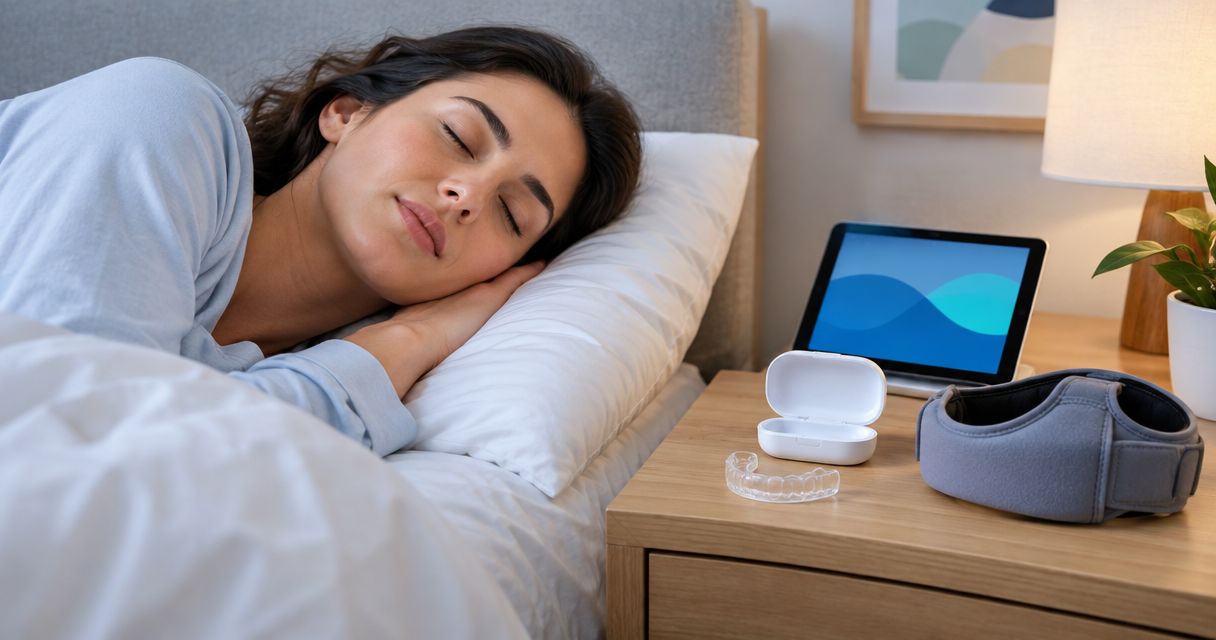
A dentist-fitted night guard creates a barrier between your upper and lower teeth. It is a protective option when nighttime grinding is damaging teeth or dental work, but it is not a reliable way to switch grinding off.
An examination helps establish whether a guard is appropriate and whether pain has another cause. Bring any appliance you already wear so the dentist can assess its fit and wear pattern.
Night guard pros:
- Limits direct tooth-to-tooth wear while you wear it.
- Can help protect existing dental restorations.
- Allows a dentist to assess fit and make appropriate adjustments.
Night guard cons:
- Does not reliably eliminate sleep bruxism.
- Needs cleaning, monitoring, and reassessment if discomfort develops.
Best for: People with evidence of nighttime grinding who need tooth protection.
Do not keep wearing an appliance that increases pain or changes how your teeth meet. A sports mouthguard and a grinding appliance also serve different purposes; ask which design fits your situation.
Verdict: Choose a night guard for protection after an examination—not as a promised cure.
2. Habit-awareness training: best for daytime clenching
Habit-awareness training helps you notice and interrupt clenching while you are awake. The practical aim is a relaxed resting position, with your teeth apart rather than pressed together when you are not chewing or swallowing.
Use ordinary moments, such as opening an email or stopping at a traffic light, as reminders to check your jaw. Relax rather than forcing your mouth open or repeatedly testing your bite.
Habit-awareness training pros:
- Directly addresses awake clenching behavior.
- Fits into daily routines without an appliance.
- Helps you recognize situations associated with jaw tension.
Habit-awareness training cons:
- Does not directly control grinding while asleep.
- Requires repeated attention and is not a substitute for evaluating persistent pain.
Best for: People who catch themselves holding their teeth together during concentration, driving, or stressful moments.
Stress-management support can accompany habit training when stress is part of your experience. That does not mean every case of grinding is caused by stress—or that symptoms are your fault.
Verdict: Choose habit awareness for awake clenching, alongside an examination when symptoms persist.
3. Guided physical therapy: best for persistent jaw-muscle pain
Physical therapy can form part of treatment for jaw pain associated with temporomandibular disorders, often shortened to TMD. A clinician first needs to distinguish muscle-related symptoms from tooth pain, joint problems, and other causes.
Guided care can include movement education, appropriate exercises, and ways to reduce strain. Avoid copying forceful stretches or resistance exercises from social media without knowing what is causing your pain.
Guided physical therapy pros:
- Focuses on comfortable movement and function.
- Provides individualized instruction rather than generic exercise advice.
- Can complement tooth protection when both problems are present.
Guided physical therapy cons:
- Does not protect tooth surfaces from nighttime grinding.
- Exercises need adjustment if symptoms worsen.
Best for: People with persistent muscle-related jaw discomfort after an appropriate assessment.
A click without pain does not automatically need treatment. Painful clicking, locking, or difficulty opening deserves a clinical evaluation rather than increasingly aggressive self-treatment.
Verdict: Choose guided therapy for an assessed muscle or movement problem, not jaw pain of unknown origin.
4. Sleep evaluation: best when grinding accompanies breathing concerns
A sleep evaluation is appropriate when grinding occurs alongside loud snoring, witnessed pauses in breathing, or significant daytime sleepiness. These symptoms warrant discussion with a medical clinician because a dental guard does not diagnose or treat obstructive sleep apnea.
Sleep bruxism and sleep-disordered breathing can occur together. That association does not mean everyone who grinds has sleep apnea, or that treating a sleep condition will necessarily stop grinding.
Sleep evaluation pros:
- Investigates symptoms that extend beyond the teeth.
- Helps distinguish a protective dental appliance from treatment for a breathing disorder.
- Supports coordination between dental and medical care.
Sleep evaluation cons:
- Does not repair worn or cracked teeth.
- Does not guarantee that grinding will resolve.
Best for: People whose grinding comes with breathing concerns or unexplained daytime sleepiness.
Tell your clinician about any guard you already wear. Do not assume an appliance sold for grinding is suitable for a diagnosed sleep-breathing condition.
Verdict: Choose a sleep evaluation when breathing symptoms accompany grinding; do not rely on a guard alone.
5. Medication review: best when clenching follows a medication change
Some medicines, including certain antidepressants, are associated with grinding or clenching. If symptoms began after starting a medicine or changing a dose, discuss the timeline with the prescribing clinician.
The timing is a clue, not proof. Your prescriber can consider possible side effects while weighing why you take the medicine and whether any adjustment is appropriate.
Medication review pros:
- Checks a potentially relevant contributor.
- Uses your symptom timeline to guide the discussion.
- Keeps medication decisions with the prescribing clinician.
Medication review cons:
- Does not establish that the medicine caused the symptoms.
- Does not replace dental care for existing damage.
Best for: People with new or worsening clenching after a medication change.
Do not stop, skip, or reduce prescribed medication on your own. Bring an up-to-date medication list to both your dental and medical appointments.
Verdict: Choose a prescriber-led review when the timing fits; avoid self-directed medication changes.
6. Restorative dental care: best for damage already present
Restorative dental care addresses consequences such as a chipped edge, a damaged filling, or a cracked tooth. The appropriate repair depends on the tooth's condition, not simply on whether you grind.
A small defect and a deep crack need different decisions. Your dentist should explain what needs treatment now and how ongoing grinding will be considered in the plan.
Restorative dental care pros:
- Addresses existing tooth damage.
- Can restore function when damage affects chewing.
- Allows repair planning to account for ongoing tooth wear.
Restorative dental care cons:
- Does not stop grinding or clenching.
- Repaired teeth still need protection and monitoring when indicated.
Best for: People with confirmed damage that needs repair.
Cosmetic changes are not automatically the first step for worn teeth. Before changing tooth shape or appearance, establish what is causing the wear and whether the teeth are healthy enough for the proposed treatment.
Verdict: Choose necessary repairs alongside a protection plan—not instead of one.
How these options are ranked
This 2026 guide ranks treatments by the problem each addresses, not by a claim that everyone needs the same sequence. Tooth protection leads the list; awake habits, muscle pain, sleep symptoms, medication timing, and existing damage each have a separate place.
Clinical background follows the National Institute of Dental and Craniofacial Research's patient guidance on bruxism and temporomandibular disorders. The central distinction is between managing symptoms conservatively and making permanent changes without a clear diagnosis.
Which treatment should you choose?
Start with an examination if you have tooth wear, recurring pain, sensitivity, or uncertainty about the cause. If your teeth need nighttime protection, discuss a fitted guard; if you clench while awake, add habit awareness rather than expecting the guard to do everything.
Mysmiletheory offers general, restorative, cosmetic, and family dental care. For teeth grinding and jaw clenching treatment questions, a dental visit provides a place to discuss symptoms and determine whether further assessment is needed.
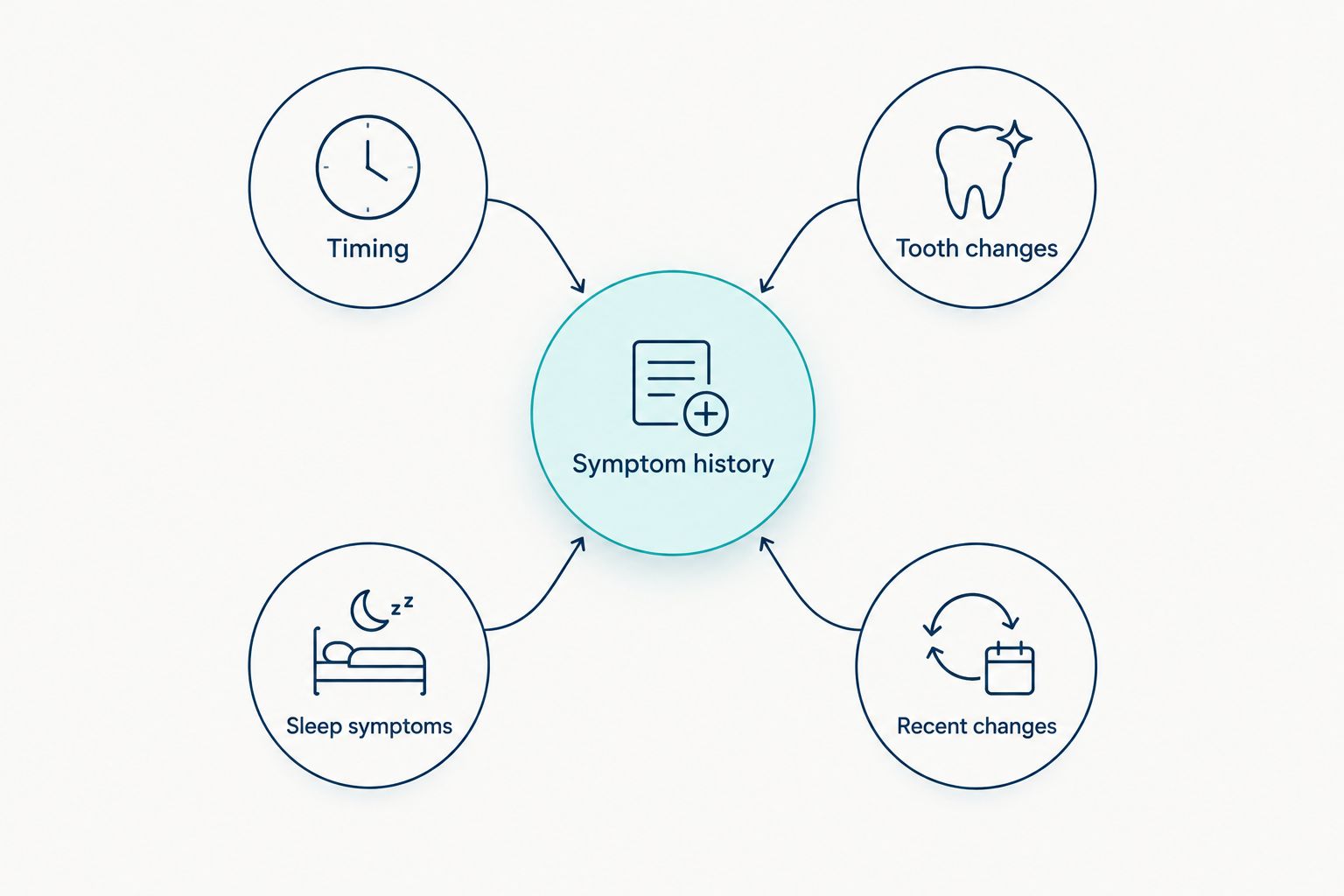
Bring a short symptom history to your 2026 appointment:
- Timing: Morning soreness, daytime tension, or both.
- Tooth changes: New sensitivity, chipped edges, or discomfort when biting.
- Sleep symptoms: Snoring, reported breathing pauses, or daytime sleepiness.
- Recent changes: New medicines, dose changes, or a different appliance.
Keep basic care steady while you arrange an evaluation. Brush for 2 minutes, 2 times a day, as recommended by the American Dental Association; that protects oral health but does not treat grinding. Most adults need 7–9 hours of sleep per night, according to the National Heart, Lung, and Blood Institute, although adequate sleep alone is not a bruxism treatment.
Talk about your jaw symptoms
Share what you notice and ask about an appropriate dental evaluation in Spring, Texas.
FAQ
What's the best teeth grinding and jaw clenching treatment in 2026?
The best treatment depends on the problem: a fitted guard protects teeth during sleep, while habit awareness targets daytime clenching. Persistent pain, breathing symptoms, or existing damage need their own assessment.
Will a night guard stop me from grinding my teeth?
A night guard does not reliably stop grinding. Its main role is to protect teeth from direct contact and wear, with fit and symptoms monitored by a dentist.
How can I stop clenching my jaw during the day?
Start by noticing sustained tooth contact and relaxing your jaw so your teeth rest apart when you are not eating or swallowing. Persistent soreness or difficulty changing the habit warrants professional guidance.
Is jaw clenching always caused by stress?
No, jaw clenching is not always caused by stress. Awake habits, sleep-related factors, and certain medicines can be relevant, so treatment should follow your symptom pattern rather than a single assumption.
Should I get Botox for teeth grinding?
Botulinum toxin injections are not the default first treatment for grinding or clenching. Discuss conservative options first and ask a qualified clinician about evidence, risks, and whether injections fit your diagnosis.
Can grinding damage veneers or crowns?
Grinding can damage natural teeth and dental restorations, including veneers and crowns. Tell your dentist about grinding before cosmetic or restorative treatment so protection can be considered.
When should I seek urgent help for jaw pain?
Seek prompt care for a locked jaw, facial swelling, fever, or severe tooth pain. Call emergency services if jaw discomfort occurs with chest pressure, shortness of breath, or other possible heart-attack symptoms.
One last thing
A quieter night does not prove the grinding has stopped. Clenching can happen without an obvious grinding sound, so comfort, tooth condition, and an examination matter more than sound alone.
At Mysmiletheory, you can begin by explaining what you feel rather than naming a treatment. The useful next step is understanding your symptoms—not committing to an appliance or cosmetic change before you know what your teeth need.