

Yes—most routine dental work is safe while breastfeeding, including cleanings, necessary dental X-rays, fillings, and treatment with local anesthetic. The main consideration is the exact medicine used for sedation, pain relief, or infection, along with your baby's age and health. For your 2026 dental visit, tell your dentist you are breastfeeding so your treatment and medication plan account for both of you.
- Is it safe to get dental work while breastfeeding? Usually yes; routine treatment rarely requires interrupting nursing.
- Dental X-rays do not make breast milk radioactive, and local lidocaine generally requires no breastfeeding interruption.
- Sedation and prescription medicines need individual review, especially when your baby is premature or medically fragile.
- Mysmiletheory provides general and family dental care for patients in Spring, Texas.
Is it safe to get dental work while breastfeeding?
Breastfeeding alone is not a reason to postpone necessary dental care. A cleaning, filling, root canal, or extraction involves different recovery needs, but the procedure's name does not determine whether you can nurse. The medicines used matter more.
Mysmiletheory offers general, restorative, and family dental services in Spring, Texas. When arranging care, mention breastfeeding before the appointment rather than waiting until a prescription is ready.
| Dental care | Best for | Breastfeeding considerations | Limitation or trade-off |
|---|---|---|---|
| Cleaning and examination | Preventive care and checking symptoms | Usually require no feeding changes | Sore gums can feel tender afterward |
| Necessary dental X-rays | Finding problems that an examination cannot show | Do not make milk radioactive | Imaging should have a clinical purpose |
| Filling with local anesthetic | Repairing a cavity | Local lidocaine generally requires no interruption | Your mouth stays numb temporarily |
| Root canal or extraction | Treating a damaged or infected tooth when indicated | Often compatible with continued breastfeeding | Recovery medicines need individual review |
| Treatment with sedation | Patients whose procedure or anxiety calls for additional support | Requires a medicine-specific feeding and caregiving plan | Drowsiness can affect safe infant care |
The NIH Drugs and Lactation Database, known as LactMed, describes lidocaine as reaching low levels in milk and being poorly absorbed by an infant. Its lidocaine entry states that no special precautions are required. That supports reassurance about local numbing medicine—not a blanket promise about every drug used during dental treatment.
Why this matters
A painful tooth does not become easier to manage because you are nursing. Waiting can allow a cavity or infection to worsen, while pain can interfere with eating, sleeping, and caring for your baby.
For a 2026 appointment, the useful question is not simply whether dentistry is safe. Ask whether the proposed treatment, exact medicines, and recovery arrangements fit your feeding situation. You deserve a clear answer without being pushed to stop breastfeeding unnecessarily.
This guidance supports a conversation with your dentist, pharmacist, or baby's clinician. Your own medication plan should account for your medical history and your baby's health.
Local anesthetic: numbing a tooth usually does not interrupt nursing
Local anesthetic numbs the treatment area while you remain awake. Lidocaine is commonly used in dentistry, sometimes with epinephrine to help it work locally and control bleeding.
LactMed's lidocaine guidance supports continuing breastfeeding after its use. Routine local numbing is not the same as sedation, and a numb lip does not mean your milk needs to be discarded.
Ask which anesthetic your dentist plans to use, especially if you have had an allergy or an unusual reaction. If another medicine is added, check that medicine separately rather than assuming the lidocaine guidance covers the whole appointment.
You can feed before your visit for comfort and convenience. That is a practical choice, not a requirement to make local anesthetic safe.
Dental X-rays: no need to discard milk afterward
Dental X-rays do not leave radiation in your body or turn breast milk radioactive. You can breastfeed after ordinary dental imaging without waiting for radiation to clear.
The trade-off is the same as for other patients: imaging should answer a clinical question. Tell your dentist about recent dental images so the team can consider whether existing records provide what is needed.
Ordinary dental X-rays are different from tests that use radioactive medicines. If you are referred for a different kind of scan, ask for instructions specific to that test rather than applying dental X-ray advice.
Fillings, root canals, and extractions: check the recovery plan
A filling repairs a cavity; a root canal treats the inside of a tooth; an extraction removes a tooth that needs removal. None automatically requires weaning.
The decision should follow the tooth's condition. A filling cannot treat every damaged tooth, and an extraction brings recovery needs that a simple repair does not. Breastfeeding is part of planning care, not a substitute for diagnosing the problem.
Before treatment, ask whether you will need medicine afterward and whether you can manage meals and infant care comfortably. If local anesthetic is the only medicine involved, the feeding plan is usually simpler than when sedation or prescription pain medicine is added.
Treat the dental problem and review the medicines separately. This keeps a necessary repair from being delayed over concerns that belong to a particular prescription.
Sedation: feeding readiness and caregiving safety are different
Sedation requires a closer look because medicines differ in how long they act and how they affect alertness. Nitrous oxide, oral sedatives, and intravenous sedation should not be treated as interchangeable.
LactMed's nitrous oxide entry states that no waiting period or milk disposal is required after its use. When other sedating medicines are given alongside it, those medicines need their own review.
The American Society of Anesthesiologists advises against routine milk disposal after anesthesia and supports resuming breastfeeding as soon as desired after surgery. That guidance does not remove the need for individualized advice, particularly with a premature or medically fragile infant.
Being ready to feed is also different from being ready to care for a baby alone. Arrange an alert adult to help after sedation, follow discharge instructions, and avoid bed-sharing while affected by sedating medicine. Ask the treating team to write down both the feeding advice and the caregiving restrictions.
Which pain medicines and antibiotics need checking?
For a 2026 prescription, ask the dentist or pharmacist to check the exact drug, dose, frequency, and planned duration against a breastfeeding reference. A medicine being prescribed after dentistry does not automatically make it unsuitable—or suitable—for every nursing parent.
LactMed identifies ibuprofen as a preferred pain-relief option during breastfeeding because milk levels are extremely low. Acetaminophen is also generally compatible with breastfeeding, but your own conditions and other medicines still affect what you should take.
Do not use codeine or tramadol while breastfeeding. The FDA recommends against their use because exposure can cause serious adverse effects in a nursing infant, including dangerous breathing problems.
Many commonly used dental antibiotics are compatible with breastfeeding, including amoxicillin when appropriately prescribed. However, an antibiotic is not needed for every toothache, and it does not replace treatment of the underlying tooth problem.
Ask what changes to watch for in your baby. Depending on the medicine, these can include diarrhea, rash, unusual sleepiness, or feeding changes. Difficulty breathing or an infant who is unusually hard to wake needs emergency medical attention.
Why breastfeeding advice varies between patients
Different instructions do not necessarily mean someone has received incorrect advice. The details below explain why a dentist or pharmacist needs more than the word breastfeeding.
- Exact medicine: Local lidocaine, an antibiotic, and a sedative have different breastfeeding considerations.
- Dose and duration: A single treatment exposure differs from repeated doses taken during recovery.
- Baby's age: A newborn needs a different assessment from an older, healthy infant.
- Prematurity or illness: Babies with medical vulnerabilities need closer review of medication exposure.
- Combined medicines: Several medicines that cause drowsiness can create additional concerns for you and your baby.
- Your health history: Allergies, kidney or liver conditions, and other prescriptions affect medicine selection.
A feeding plan should reflect these details. Avoid relying on advice given to a friend whose procedure, prescription, or baby was different.
How should you prepare for a dental appointment while nursing?
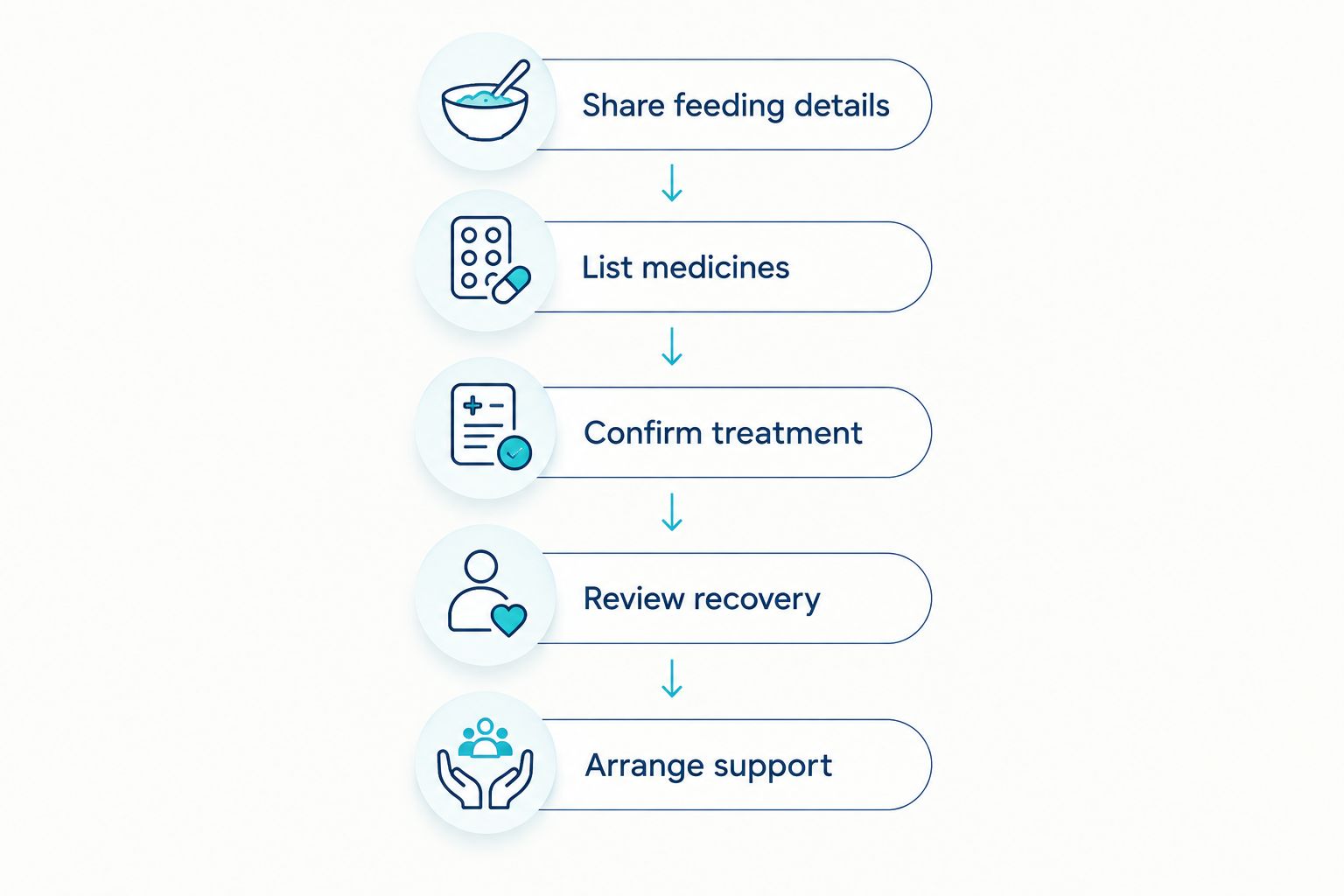
Use this 2026 appointment checklist to make the conversation specific. You do not need to arrive with every medical answer; bring the details that help your clinicians check safely.
- Share feeding details. Tell the dentist your baby's age, whether your baby was premature, and any important health concerns.
- List medicines. Include prescriptions, over-the-counter products, supplements, and allergies.
- Confirm treatment. Ask whether the visit involves local anesthetic alone or any additional sedation.
- Review recovery. Get the names of proposed prescriptions and clear instructions about feeding and infant care.
- Arrange support. Plan help if sedation or recovery will limit your ability to safely care for your baby.
Ask for written instructions if treatment involves several medicines. Keep the medication names available if you later call your pharmacist or baby's clinician with a question.
Mysmiletheory is best for local patients seeking a personal dentist in Spring, Texas. You can contact the practice to discuss your dental concern and mention that you are breastfeeding when arranging an appointment.
Do I need to pump and dump after dental work?
Routine dental X-rays and local lidocaine do not require pumping and discarding milk. A blanket 24-hour pause is not needed after ordinary treatment with local lidocaine alone.
If sedation or another prescription is involved, ask for medicine-specific advice. Expressing milk during a separation can help maintain comfort and your feeding routine, but pumping does not make a medicine leave your bloodstream faster.
Can I wait until I finish breastfeeding to treat a toothache?
Do not delay assessment of a toothache simply because you are breastfeeding. An examination can establish whether you need a repair, treatment for infection, or another approach.
Seek urgent dental care for facial swelling, fever, worsening pain, or trouble opening your mouth. Trouble breathing or swallowing requires emergency medical care rather than waiting for a routine appointment.
Should cosmetic dental treatment wait until after breastfeeding?
Necessary treatment and elective cosmetic care have different priorities. A painful cavity needs assessment; whitening can wait while you discuss the limited breastfeeding-specific safety evidence.
For veneers or bonding, ask what preparation and medicines would be involved. A consultation does not commit you to treatment, and there is no need to rush an elective change while you are balancing feeding and recovery.
FAQ
Is it safe to get dental work while breastfeeding in 2026?
Yes—most routine dental work is compatible with breastfeeding, including cleanings, necessary X-rays, fillings, and treatment with local anesthetic. Sedation and recovery medicines need individual review based on the exact drug and your baby's health.
Can I breastfeed after a numbing injection at the dentist?
You can generally breastfeed after dental lidocaine without waiting or discarding milk. Confirm whether you received any additional medicines, because lidocaine guidance does not cover every sedative or prescription.
Do dental X-rays affect my breast milk?
Ordinary dental X-rays do not make breast milk radioactive or require a feeding interruption. Tests involving radioactive medicines are different and need their own instructions.
Can I have a tooth pulled while breastfeeding?
A tooth extraction can be performed while you are breastfeeding. Ask for a clear plan covering local anesthetic, any sedation, pain relief, and help with infant care during recovery.
What pain medicine can I take after dental work while nursing?
Ibuprofen and acetaminophen are generally compatible with breastfeeding when appropriate for your health. Check your personal medication plan with a clinician or pharmacist, and do not use codeine or tramadol while breastfeeding.
Can I take antibiotics for a tooth infection while breastfeeding?
Many dental antibiotics, including amoxicillin when appropriately prescribed, are compatible with breastfeeding. Your dentist should select the medicine for the infection and review allergies, your baby's health, and any feeding-related precautions.
Should I feed my baby before a dental appointment?
Feeding before an appointment can make you more comfortable and simplify the time apart. It is not a requirement for dental X-rays or local lidocaine, and sedation needs a separate plan.
One last thing
Ask about milk safety and safe baby care as separate questions. A medicine can be compatible with breastfeeding while still leaving you too drowsy to hold or care for your baby safely without help.
For your next 2026 visit, bring your feeding concerns alongside your dental concerns. A clear treatment plan should help you understand what needs attention, which medicines are involved, and how to return home prepared.


