
Best overall: checkups and cleanings. Best for strengthening enamel: fluoride. Best for protecting children's back teeth: sealants. The best family dental treatments in 2026 match each person's needs; for local families seeking a personal dentist, Mysmiletheory offers family dental care in Spring, Texas.
- The best family dental treatments start with checkups and cleanings, with fluoride and sealants chosen for individual cavity risk.
- Mysmiletheory offers family dental care for local parents and children seeking a personal dentist in Spring, Texas.
- Fillings repair cavities; crowns support more extensively damaged teeth. Neither replaces daily brushing and preventive visits.
- Dental bonding suits selected small chips and cosmetic changes, not every cracked or painful tooth.
Why this matters
A parent with an old filling and a child getting permanent molars do not need the same treatment. Family dentistry brings those different needs into one conversation, but each person still needs an individual examination and plan.
Prevention, repair, and appearance are separate priorities. A cleaning does not repair a cavity, and whitening does not treat tooth decay. Address pain and disease before choosing cosmetic changes.
For your 2026 family-care plan, start with the concern that affects comfort or health, then discuss prevention and appearance. You do not need to decide on every treatment at the first appointment.
What makes the best family dental treatments?
Use these criteria to judge a recommendation before comparing treatments:
- Clear purpose: You should understand whether treatment prevents a problem, repairs damage, or changes appearance.
- Individual need: Age matters, but cavity history, gum health, tooth development, and symptoms also guide care.
- Tooth preservation: Ask how much healthy tooth structure a treatment keeps and whether a smaller repair is appropriate.
- Comfort: Discuss sensitivity, worries, and what happens during the visit before treatment begins.
- Ongoing care: Understand what needs checking afterward and what you can do at home.
For appointments in 2026, these questions are more useful than asking which treatment is newest. The right choice has a clear reason for your particular tooth or situation.
Family dental treatments at a glance
| Treatment | Best for | Main benefit | Key limitation |
|---|---|---|---|
| Checkups and cleanings | Building a preventive-care foundation | Checks teeth and gums; removes buildup during cleaning | Does not repair an existing cavity |
| Fluoride treatment | People with increased cavity risk | Helps strengthen enamel against decay | Does not rebuild a tooth with a cavity hole |
| Dental sealants | Protecting deep grooves in back teeth | Creates a barrier over vulnerable chewing surfaces | Needs monitoring and does not protect every tooth surface |
| Fillings | Repairing localized tooth decay | Restores the area after decay is removed | Not sufficient for every extensively damaged tooth |
| Dental crowns | Supporting substantially weakened teeth | Covers and restores a tooth when a smaller repair is insufficient | Usually requires more tooth preparation than a filling |
| Dental bonding | Selected small chips and cosmetic flaws | Reshapes or repairs an area with tooth-colored material | Can chip or stain and is unsuitable for some damage |
The ranking starts with prevention, then moves to repairs and optional appearance changes. It is not a recommendation to receive every treatment on the list.
1. Checkups and cleanings: best for a preventive foundation
Checkups assess your teeth, gums, and concerns. Cleanings remove plaque and hardened buildup that brushing alone cannot remove. Together, they give your dentist a starting point for discussing what needs attention and what does not.
Best for: Parents and children establishing or maintaining ongoing dental care, including families returning after a gap between visits.
Checkups and cleanings pros:
- Help identify cavities and gum problems before symptoms become the reason for a visit.
- Create space to discuss brushing, sensitivity, tooth development, and dental worries.
- Let your dentist compare changes over time rather than treating each concern in isolation.
Checkups and cleanings cons:
- Do not repair decay or replace treatment for a damaged tooth.
- Can cause temporary sensitivity, particularly around inflamed gums.
Ask what visit schedule fits your health and cavity risk rather than assuming everyone needs an identical interval. Dental X-rays also need an individual reason; they are not automatically necessary at every appointment.
Verdict: Choose checkups and cleanings as the foundation, not as a substitute for needed treatment.
2. Fluoride treatment: best for strengthening enamel
Fluoride helps enamel resist acid attacks and supports the repair of early mineral loss. Professional fluoride treatment adds targeted prevention when your dentist identifies a reason for it.
Children are not the only people who benefit. Adults with exposed root surfaces, dry mouth, or recurring cavities also need a conversation about cavity prevention.
Best for: Children or adults whose cavity risk calls for additional enamel protection.
Fluoride treatment pros:
- Supports enamel protection without removing tooth structure.
- Complements fluoride toothpaste and daily brushing.
- Can be part of prevention for both baby teeth and permanent teeth.
Fluoride treatment cons:
- Does not replace a filling when decay has created a hole.
- Requires age-appropriate use and attention to instructions about swallowing.
For home care, American Dental Association guidance recommends a rice-grain-sized smear of fluoride toothpaste for children younger than 3 years and a pea-sized amount from ages 3 to 6 years. Supervise brushing and follow your child's dentist's instructions.
Verdict: Choose fluoride when cavity risk supports it; keep daily brushing in the plan.
3. Dental sealants: best for protecting back-tooth grooves
Sealants are thin protective coatings placed over the chewing surfaces of back teeth. They cover grooves where food and bacteria collect, making them a focused preventive option rather than a treatment for the entire mouth.
For children, ask about sealants as permanent molars come through. Adults with suitable grooves can also discuss whether sealants fit their needs.
Best for: Teeth with deep chewing-surface grooves that need additional cavity protection.
Dental sealants pros:
- Protect areas that can be difficult to clean thoroughly.
- Usually require little or no removal of healthy tooth structure.
- Work alongside fluoride rather than replacing it.
Dental sealants cons:
- Can wear or come away and need checking at later visits.
- Do not protect the spaces between teeth or every exposed surface.
Before placement, the dentist needs to evaluate the tooth for decay and suitability. Ask which teeth need protection and how the sealants will be monitored.
Verdict: Choose sealants for vulnerable grooves, not as a reason to stop brushing or cleaning between teeth.
4. Fillings: best for repairing localized cavities
A filling restores a tooth after the dentist removes decay. It addresses a damaged area while retaining the remaining tooth when enough healthy structure is present.
Baby teeth sometimes need fillings too. The fact that a tooth will eventually fall out does not make pain, infection, or chewing difficulties safe to ignore.
Best for: A cavity or localized defect that the dentist can restore without covering the whole tooth.
Fillings pros:
- Repair a specific area rather than automatically requiring a crown.
- Restore the tooth's shape and chewing surface.
- Help retain a tooth affected by localized decay.
Fillings cons:
- Can wear, break, or require replacement over time.
- Do not prevent new decay around the restoration or elsewhere.
Ask how deep the decay is and whether it is close to the tooth's nerve. A filling alone is not appropriate for every painful tooth, particularly when infection or more extensive damage is present.
For your 2026 treatment plan, understand why a filling is recommended before comparing appearance or materials.
Verdict: Choose a filling for repairable localized decay; do not delay assessment because the tooth does not hurt.
5. Dental crowns: best for supporting weakened teeth
A crown covers a tooth to restore its shape and support remaining structure. Your dentist considers a crown when a filling would not provide enough support, such as with substantial damage or certain fractures.
Crowns can be part of adult or children's care, but the reasons and materials differ. A recommendation should explain the condition of the tooth, not simply describe a crown as the stronger choice.
Best for: A tooth with substantial structural damage that remains suitable for restoration.
Dental crowns pros:
- Restore the shape of a significantly damaged tooth.
- Protect remaining structure when a smaller repair is insufficient.
- Help preserve a restorable tooth rather than removing it.
Dental crowns cons:
- Usually require removal of more tooth structure than a filling.
- Do not make the tooth immune to decay or gum problems.
A crown cannot save every cracked or infected tooth. Ask whether the tooth is restorable, whether other treatment is needed first, and why a smaller restoration would not work.
Verdict: Choose a crown when the tooth needs coverage and support, not simply because a crown sounds more durable.
6. Dental bonding: best for selected small cosmetic repairs
Dental bonding uses tooth-colored resin to repair or reshape an area of a tooth. It can address selected small chips, uneven edges, or other minor appearance concerns after the dentist checks the tooth's health.
For parents seeking a natural-looking change, discuss what bothers you rather than requesting a particular procedure immediately. For children with a chipped tooth, the first priority is checking the injury, not choosing a cosmetic finish.
Best for: Small, suitable repairs or appearance changes where bonding meets the tooth's structural needs.
Dental bonding pros:
- Allows targeted changes to a tooth's edge or shape.
- Often requires less tooth preparation than a crown or veneer.
- Uses tooth-colored material for an appearance-focused repair.
Dental bonding cons:
- Can stain, wear, or chip and need maintenance.
- Is not suitable for every large fracture or heavy chewing load.
Pain after a chip, a loose tooth, or an injury needs assessment rather than a cosmetic-only appointment. Explain when the damage happened and whether biting or temperature changes cause discomfort.
Verdict: Choose bonding for suitable small repairs; assess painful or extensive damage first.
How this ranking works
This 2026 guide ranks treatment categories by purpose: prevention first, then necessary repair, then selected cosmetic changes. The criteria are individual need, preservation of healthy tooth structure, comfort, and ongoing care—not a claim that one procedure performs better for every patient.
A painful tooth changes the order. You need assessment of that problem before routine or appearance-focused decisions.
Which family dental treatments should you choose?
Start with an examination, then choose the smallest appropriate treatment that addresses the diagnosed need. Mysmiletheory offers family dental care for parents and children seeking a personal dentist in Spring.
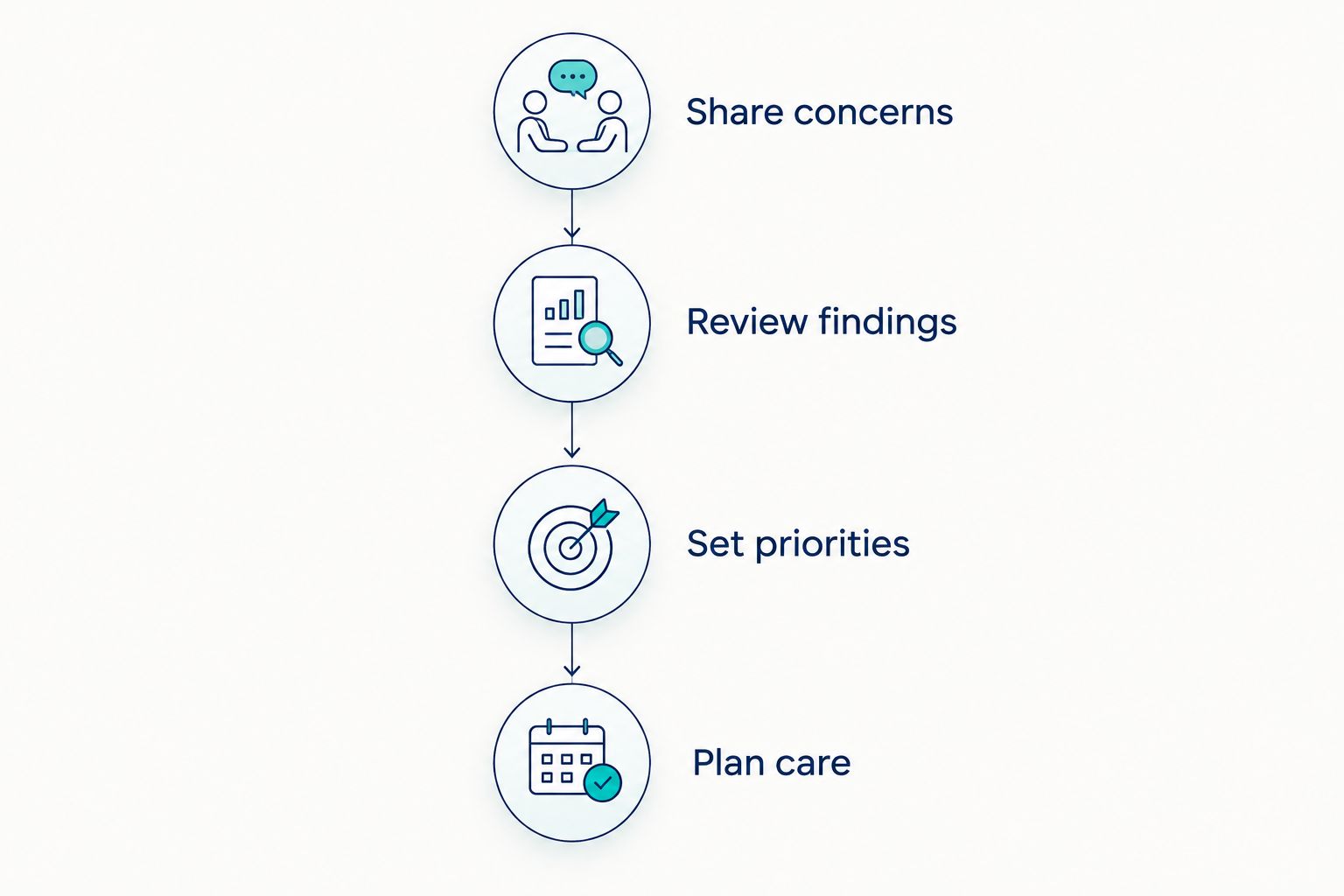
Use this appointment sequence to keep the conversation manageable:
- Share concerns: Describe pain, sensitivity, bleeding, injuries, or appearance changes you want to discuss.
- Review findings: Ask which teeth or gums need attention and why.
- Set priorities: Separate urgent care, prevention, and optional cosmetic treatment.
- Plan care: Discuss the next appointment and what to do at home.
Your 2026 plan should explain both what is recommended and what can wait. Ask the dentist to show you the area of concern when possible.
Bring a list of medicines, relevant health conditions, and previous dental concerns. If your child is nervous, explain what helps them feel comfortable and ask how the visit will be introduced.
Start your family's dental conversation
Explore family dental care in Spring, Texas, and take the next step toward an appointment.
FAQ
What's the best family dental treatment to start with?
Start with an examination so treatment matches each person's needs. Checkups and cleanings provide a preventive foundation, while pain, swelling, or an injury needs prompt attention.
Are sealants better than fluoride for children?
Sealants and fluoride protect teeth in different ways, so neither replaces the other. Sealants cover vulnerable chewing-surface grooves, while fluoride helps enamel resist decay.
When should my child first see a dentist?
Your child should have a first dental visit when the first tooth appears and no later than the first birthday, according to American Dental Association guidance. The visit introduces dental care and gives you age-appropriate advice.
Does a cavity in a baby tooth need treatment?
A cavity in a baby tooth needs dental assessment even though the tooth will eventually fall out. Treatment depends on the extent of decay, symptoms, and how long the tooth needs to remain in place.
Is a crown better than a filling?
A crown is appropriate when a tooth needs more coverage and support than a filling can provide. A filling is the more targeted option when enough healthy tooth structure remains.
How often should parents and kids brush their teeth?
American Dental Association guidance recommends brushing twice a day for 2 minutes with fluoride toothpaste. Help children brush effectively and use an age-appropriate amount of toothpaste.
Can parents and children visit the same dental clinic?
A family dental clinic can provide care for both parents and children, with treatment planned individually. Mysmiletheory offers family dentistry in Spring, Texas; discuss each family member's needs when arranging care.
One last thing
A tooth can have decay without hurting. Do not use comfort alone to decide whether your family needs a dental visit.
For your next appointment, write down one health concern and one comfort concern for each family member. That small preparation helps you ask about both the treatment and the experience of receiving it.


