
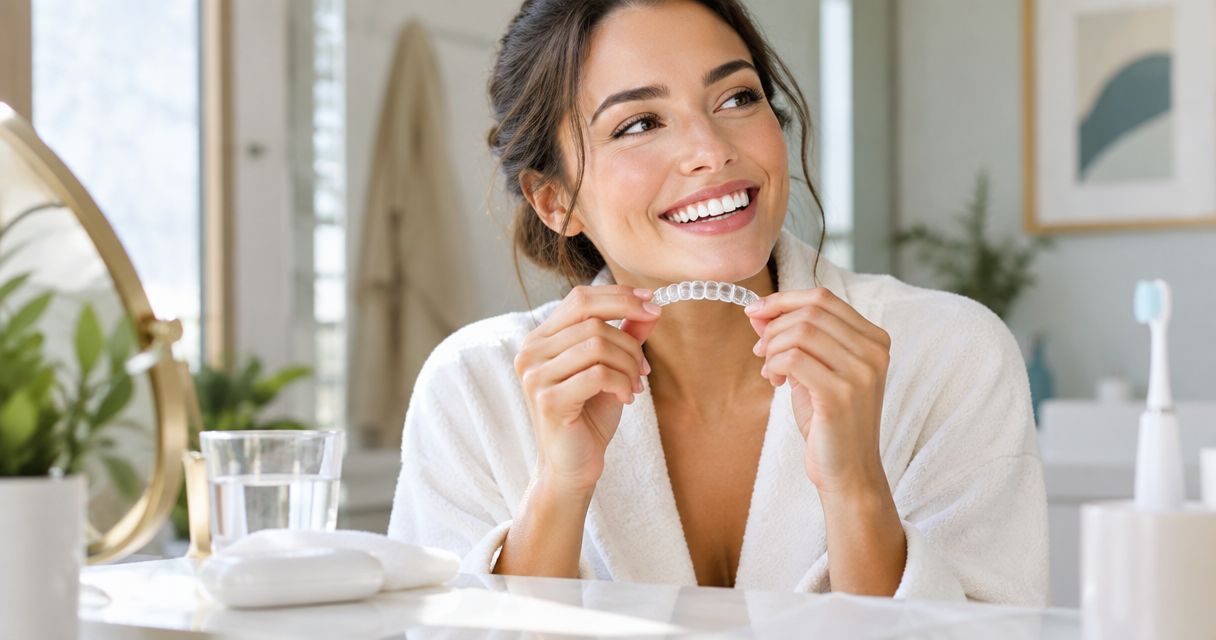
Best overall: dentist-guided whitening with take-home trays. Best for treatment during a supervised appointment: in-office whitening. Best over-the-counter option: whitening strips, after checking that bleaching suits your teeth. The best way to whiten teeth before wedding photos is to choose a method around your dental health, sensitivity, and event date—not the brightest promise on a package.
- The best way to whiten teeth before wedding photos starts with a dental assessment and a realistic whitening plan.
- Dentist-guided trays suit patients who want professional guidance while whitening at home.
- In-office whitening suits patients who prefer treatment under direct dental supervision.
- Mysmiletheory offers local dental care for Spring patients planning changes to their smile.
- Whitening does not change the color of crowns, veneers, or tooth-colored fillings.
Why this matters before your wedding
A brighter smile should feel comfortable, not become another wedding task you regret. Bleaching can cause temporary tooth sensitivity and gum irritation, and existing dental work does not whiten like natural teeth.
Before choosing a whitening method in 2026, explain your event date, any sensitivity, and the changes you want. A dentist can distinguish surface staining from discoloration that needs a different approach. Mysmiletheory is a local dental-care option for Spring patients who want a personal dentist involved in their pre-wedding smile decisions. You can start with Mysmiletheory to discuss your goals rather than committing to a treatment first.
What makes the best pre-wedding teeth whitening method?
Choose your whitening method using these criteria, in this order:
- Dental health: Tooth pain, decay, and irritated gums need assessment before cosmetic bleaching.
- Stain type: Surface stains and discoloration within a tooth do not respond to every method equally.
- Sensitivity: A method you can tolerate matters more than an aggressive treatment you cannot finish comfortably.
- Existing dental work: Crowns, veneers, and tooth-colored fillings can remain a different shade after natural teeth whiten.
- Professional guidance: Clear instructions and a contact for concerns help you avoid unnecessary trial and error.
- Event planning: Leave room to assess your response instead of introducing an unfamiliar product immediately before photographs.
Your wedding date is useful information, not a reason to ignore discomfort. Bring the date of your ceremony and any engagement photos to your dental visit so the discussion includes both occasions.
Pre-wedding whitening options at a glance
| Method | Best for | Standout feature | Key limitation |
|---|---|---|---|
| Dentist-guided take-home trays | Whitening at home with professional guidance | A dentist directs treatment and checks suitability | Requires following a treatment schedule; sensitivity can occur |
| In-office whitening | Treatment under direct supervision | Dental staff apply treatment and protect surrounding tissues | Sensitivity can still occur; results vary |
| Over-the-counter whitening strips | Independent home use after a suitability check | A bleaching product applied directly to natural teeth | Fit and tooth coverage are not individually designed |
| Professional cleaning | Removing external stains and buildup | Removes deposits that brushing cannot remove | Does not bleach the underlying tooth color |
| Whitening toothpaste | Managing everyday surface staining | Fits into an ordinary brushing routine | Does not offer the same change as bleaching |
These are treatment categories, not a promise that every option belongs in your plan. For your 2026 wedding, the right choice depends on what is causing the discoloration and what your mouth can comfortably tolerate.
1. Dentist-guided take-home trays: best for guided home whitening
Dentist-guided take-home whitening uses a bleaching gel with trays and instructions provided through a dental practice. The dentist assesses whether bleaching is appropriate and explains how to use the treatment. This approach suits you when you want to whiten at home without choosing the entire plan yourself.
Dentist-guided take-home trays pros:
- Professional assessment comes before bleaching.
- Instructions can account for your teeth and sensitivity concerns.
- Trays made for your teeth offer an individualized fit.
- You have a dental professional to contact if irritation develops.
Dentist-guided take-home trays cons:
- Treatment depends on consistent use as directed.
- Temporary sensitivity and gum irritation remain possible.
- Crowns, veneers, and tooth-colored fillings will not bleach to match.
Best for: Patients who want a dentist involved while completing whitening at home.
Ask what to do if your teeth become sensitive and whether any visible restorations affect your shade goal. Do not extend wear time or add extra gel because a photo appointment is approaching. More product is not a substitute for a suitable plan.
Verdict: Choose dentist-guided take-home trays when professional guidance and home treatment suit your needs.
2. In-office whitening: best for directly supervised treatment
In-office whitening involves applying a bleaching treatment at a dental practice, with measures to protect your gums and other soft tissues. It gives you direct supervision during application. The dentist still needs to assess your teeth before deciding whether this approach fits your situation.
In-office whitening pros:
- Dental professionals oversee treatment application.
- Protective measures help keep bleaching material away from surrounding tissues.
- You can discuss discomfort during the appointment.
- You do not have to manage that treatment application at home.
In-office whitening cons:
- Treatment can still cause temporary sensitivity.
- The amount of color change varies between patients.
- Existing restorations do not change color with natural teeth.
Best for: Patients who prefer whitening applied under direct dental supervision.
For a 2026 wedding, ask when your dentist recommends assessing the result and whether follow-up care is needed. Avoid assuming that an office appointment guarantees a particular shade or eliminates sensitivity. Supervision helps with treatment decisions; it does not make every tooth respond identically.
Verdict: Choose in-office whitening when direct supervision is your priority and your dentist confirms suitability.
3. Whitening strips: best for straightforward over-the-counter use
Whitening strips place a bleaching gel against your teeth using flexible strips. They are an at-home option for natural teeth, but the instructions belong to the specific product. Their general fit is not designed around your individual tooth positions or dental restorations.
Whitening strips pros:
- Application does not require a custom tray.
- Product instructions provide a defined use schedule.
- You can apply the treatment at home.
Whitening strips cons:
- Coverage can be awkward around crowded or uneven teeth.
- Contact with gums can cause irritation.
- Tooth sensitivity can interrupt treatment.
Best for: Adults whose dentist has confirmed that over-the-counter bleaching is appropriate.
Read the full instructions before starting, including warnings and directions for stopping use. Do not combine strips with another bleaching system to chase a faster result. If you have tooth pain, significant sensitivity, or visible fillings in your front teeth, discuss those concerns before experimenting.
An over-the-counter product is still a dental treatment, not an ordinary cosmetic accessory. Your response matters more than another person's before-and-after photograph.
Verdict: Consider whitening strips after a suitability check; skip last-minute experimentation.
4. Professional cleaning: best for external stains and buildup
A professional cleaning removes plaque, hardened buildup, and some external staining. If surface deposits are making your teeth look dull, cleaning can improve their appearance without bleaching. It does not change the underlying color of your teeth.
Professional cleaning pros:
- Addresses deposits that ordinary brushing cannot remove.
- Can remove external staining.
- Supports dental health rather than focusing only on appearance.
Professional cleaning cons:
- Does not bleach tooth color.
- Does not resolve every type of discoloration.
- Teeth or gums can feel sensitive afterward.
Best for: Patients whose main concern includes surface staining or overdue dental care.
Ask whether cleaning should come before a whitening decision. Seeing your teeth after stain removal gives you a clearer starting point for discussing cosmetic changes. It also helps separate a need for routine care from a desire for a lighter tooth shade.
Do not assume that darker areas are merely stains. A dentist should assess an isolated dark tooth, a painful tooth, or an unfamiliar change in color.
Verdict: Choose professional cleaning for external deposits; do not treat it as a substitute for bleaching.
5. Whitening toothpaste: best for everyday surface-stain care
Whitening toothpaste helps remove surface stains through its cleaning ingredients. Some formulations also include whitening agents, but a toothpaste routine is not interchangeable with a dentist-directed bleaching treatment. Choose a fluoride toothpaste and use it as directed.
Whitening toothpaste pros:
- Fits into your usual brushing routine.
- Helps manage everyday surface staining.
- Fluoride-containing options support cavity prevention.
Whitening toothpaste cons:
- Color changes are limited compared with bleaching treatments.
- Does not address every cause of tooth discoloration.
- A product that irritates your mouth is not a suitable everyday choice.
Best for: Patients seeking routine surface-stain care rather than a major cosmetic change.
The American Dental Association recommends brushing for 2 minutes per session, twice daily, with fluoride toothpaste. That routine supports oral health; brushing harder does not turn it into a stronger whitening treatment. Use gentle pressure rather than scrubbing stained areas repeatedly.
For your 2026 wedding, keep expectations modest if toothpaste is your only whitening approach. A dentist can help you decide whether the change you want requires something different.
Verdict: Choose whitening toothpaste for surface-stain care; skip it as your sole plan for a substantial shade change.
Build your plan around your teeth, not a countdown
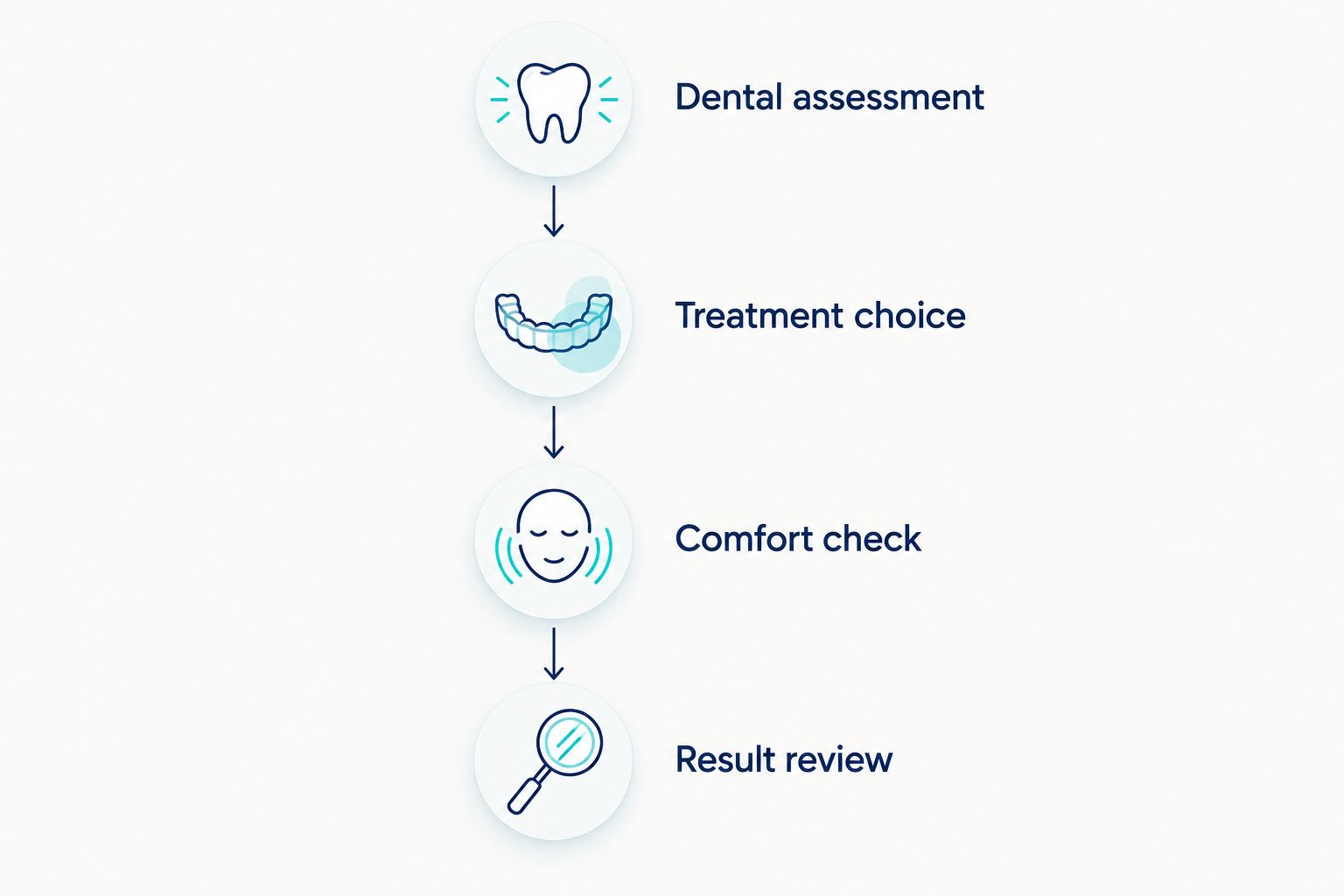
A wedding whitening plan should follow a clear sequence. Start with dental health, then choose treatment, and leave the final decision about additional whitening until you know how your teeth respond.
- Dental assessment: Explain your event date, tooth sensitivity, medications, and previous whitening experience. Mention visible crowns, veneers, or fillings.
- Treatment choice: Agree on an approach and understand its instructions, limitations, and stopping rules.
- Comfort check: Follow directions and contact your dentist if sensitivity or irritation becomes a concern.
- Result review: Assess the outcome with your dentist before adding another treatment or changing restorations.
Give your dentist the full picture of what you want. A natural-looking result might mean reducing noticeable staining rather than pursuing the lightest possible shade. Photos of your own smile can help explain which teeth or areas concern you without turning someone else's smile into a treatment target.
Mysmiletheory provides general, cosmetic, restorative, and family dental care in Spring. An appointment is a place to discuss your smile goals and dental health together; ask which whitening approaches are appropriate rather than assuming a particular treatment is offered.
Start with a smile conversation
Discuss your event date, sensitivity, and smile goals with a local dental clinic in Spring.
What to avoid before the big day
Avoid acidic home whitening recipes and abrasive scrubbing. Lemon juice and other acids can damage enamel, while aggressive abrasion can wear tooth surfaces. Neither is a sensible shortcut to a comfortable wedding smile.
Do not use household bleach, and do not improvise mixtures from peroxide products that are not intended for dental whitening. Follow the directions of a dental whitening product rather than advice from a social-media video.
Veneers and bonding are different decisions from bleaching. They can change tooth appearance, but they involve placing dental material on teeth and require a separate discussion about suitability and ongoing care. An approaching wedding alone is not a reason to choose a restoration you otherwise would not want.
How these methods were ranked
This 2026 guide prioritizes dental assessment, professional guidance, and the ability to match treatment to your needs. Dentist-guided trays lead for guided home treatment; in-office whitening leads for direct supervision. Cleaning and toothpaste rank separately because they address surface staining rather than performing the same job as bleaching.
Which whitening method should you choose?
Start with a dental assessment, then choose dentist-guided whitening if bleaching fits your teeth and goals. Choose in-office treatment when you prefer direct supervision, or discuss strips if you want an over-the-counter approach. If deposits are the main issue, address cleaning first.
There is no wedding shade you have to reach. For Spring patients, Mysmiletheory offers a local starting point for discussing cosmetic dental care alongside the health of your smile.
FAQ
What's the best way to whiten teeth before wedding photos?
The best way to whiten teeth before wedding photos is to choose treatment after a dental assessment. Dentist-guided take-home trays suit patients wanting professional guidance at home, while in-office whitening suits those preferring direct supervision.
How early should I start whitening before my wedding?
Arrange a dental assessment before starting treatment rather than waiting until the event is close. Your dentist can recommend timing based on the method, your sensitivity, and any dental care needed first.
Is in-office whitening better than whitening strips?
In-office whitening provides direct professional supervision, while strips are an independently applied home treatment. The better choice depends on your dental health, sensitivity, tooth arrangement, and goals.
Can I whiten my teeth if they're sensitive?
Sensitive teeth need assessment before you start whitening. Tell your dentist what triggers the sensitivity so the cause and suitable treatment choices can be discussed.
Will whitening change the color of my crowns or veneers?
Whitening does not change the color of crowns or veneers. Natural teeth can become lighter while restorations stay the same shade, so discuss visible dental work before treatment.
Does a dental cleaning whiten teeth?
A dental cleaning can remove external stains and deposits, but it does not bleach the underlying tooth color. Cleaning and bleaching address different causes of a dull-looking smile.
Should I get veneers just to have whiter wedding teeth?
Veneers should not be chosen solely because a wedding is approaching. Discuss the reason for your discoloration, less invasive alternatives, and the long-term care involved before deciding.
One last thing
Whitening can make an existing restoration more noticeable because the natural teeth change while the restoration does not. Point out every visible crown, veneer, and filling before bleaching starts. That conversation helps you plan for a smile that looks balanced, not simply lighter.


