Yes, adults can get braces at any age when their teeth, gums, and supporting bone are healthy enough for treatment; there is no fixed upper age limit. Active gum disease, untreated decay, and existing dental work need careful assessment before you begin, so your oral health—not your birthday—determines the next step.
- Can adults get braces at any age? Yes—oral health matters more than age alone.
- The American Association of Orthodontists recognizes adult orthodontic treatment; an examination determines whether treatment is appropriate.
- Braces and clear aligners move teeth differently; your bite, gum health, and daily habits guide the choice.
- Treat active gum disease and decay before tooth movement, and plan for retainers afterward.
Can adults get braces at any age?
There is no age at which braces automatically stop being an option. Adult teeth can move through supporting bone under controlled orthodontic forces. The American Association of Orthodontists’ patient guidance explains that adults can receive orthodontic treatment when their teeth and supporting structures are suitable.
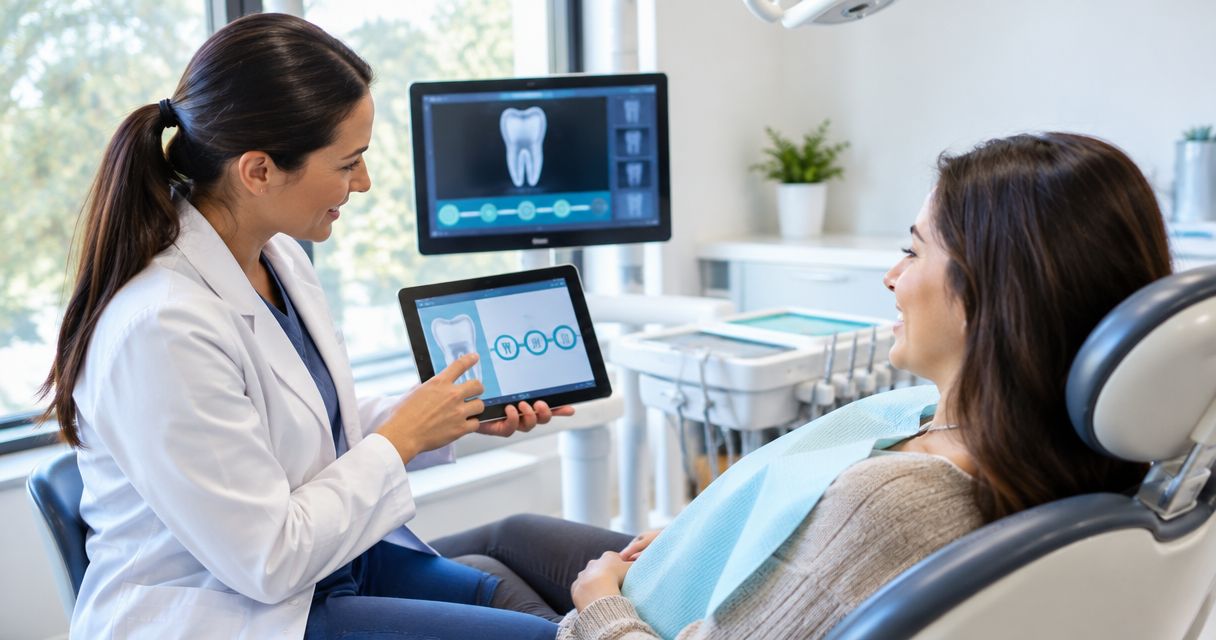
For your 2026 treatment decision, start with an examination rather than an age cutoff. A dentist or orthodontist needs to look beyond the teeth you see when you smile.
If you live near Spring, Texas, Mysmiletheory provides general, cosmetic, restorative, and family dental care. A general dental visit is a starting point for discussing your oral health before pursuing orthodontic treatment; it does not replace an orthodontic assessment.
An evaluation typically follows this sequence:
- Discuss your goal. Explain whether you want straighter front teeth, a more comfortable bite, easier cleaning, or help with shifting teeth.
- Check dental health. The clinician examines your teeth and gums and uses appropriate records or imaging to assess their support.
- Address existing problems. Active disease and untreated decay need attention before tooth movement begins.
- Evaluate treatment choices. An orthodontist determines which approach suits your bite, dental history, and needs.
- Plan ongoing care. Discuss cleaning, monitoring, and retainers before committing to treatment.
Why this matters
It is easy to assume that orthodontic treatment belongs to the teenage years. That assumption can keep you from asking a reasonable question about your own smile.
Adult treatment does involve different considerations. Your jaw has finished growing, and previous dental treatment or gum changes can affect the plan. Those differences call for individual assessment, not automatic exclusion.
You also do not need a dramatic cosmetic goal to start the conversation. A tooth that has shifted, crowding that makes cleaning difficult, or concern about how your teeth meet is worth discussing. The goal is a healthy, workable result that fits your mouth—not simply a straighter photograph.
What makes an adult a suitable candidate?
Healthy gums and adequate bone support are central to safe tooth movement. Teeth do not sit directly in the jawbone; supporting tissues respond to the controlled forces used during orthodontic care.
Active gum disease changes that picture. Moving teeth without addressing inflammation and loss of support can put dental health at risk. Bleeding gums, loose teeth, and visible recession deserve an assessment rather than a cosmetic workaround.
Recession alone does not tell you whether braces are suitable. The cause, severity, and condition of the surrounding tissues matter. The guide to treatments for receding gums affecting your smile explains another concern to raise before treatment.
Bring a current medication list and describe relevant health conditions. Your clinician needs that information because some conditions and medicines affect bone, healing, or the tissues around your teeth. Do not stop prescribed medication to prepare for braces; discuss it with the professionals responsible for your care.
Braces or clear aligners: which suits your needs?
Fixed braces and clear aligners both move teeth, but they do not place the same demands on your daily routine. Neither is automatically the right choice because you are an adult.
In 2026, the useful comparison is still suitability, cleaning, and your ability to follow the treatment plan—not appearance alone. An orthodontist should explain the benefits and limitations for your particular bite.
| Option | Best for | Main advantage | Main limitation |
|---|---|---|---|
| Fixed braces | Adults whose prescribed movements suit a fixed appliance | Stay attached, so treatment does not depend on remembering to put trays back in | Brackets and wires require careful cleaning and changes to eating habits |
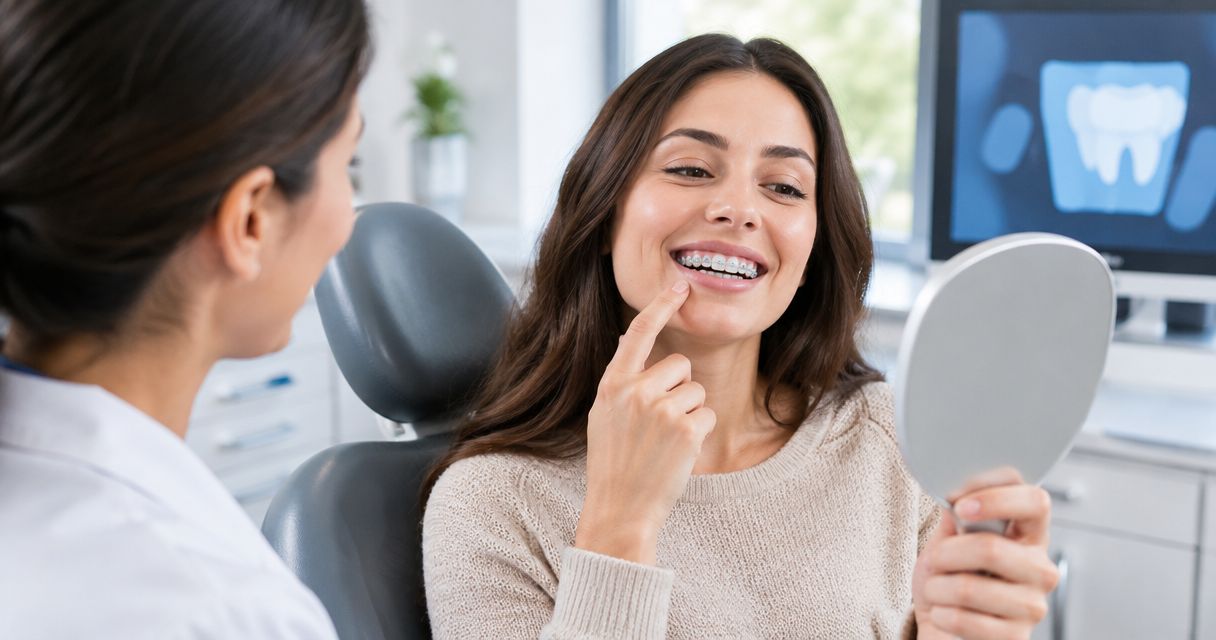
| Clear aligners | Adults whose movements are suitable and who can follow a wear schedule | Removable for eating and cleaning | Depend on consistent wear; not every movement is equally suitable |
Fixed braces: treatment that stays in place
Fixed braces use brackets and wires to apply controlled forces. They stay attached between appointments, which removes the task of remembering to wear removable trays.
The trade-off is daily maintenance. Food collects around brackets, and cleaning between teeth takes care. You also need to follow instructions about foods that damage the appliance and contact the treating office when something breaks.
Choose fixed braces when the orthodontist recommends them for your movements and you can manage the cleaning routine. Visibility alone should not decide the treatment plan.
Clear aligners: removable, but routine-dependent
Clear aligners use a planned sequence of removable trays. Taking them out for meals and brushing can fit some adults’ preferences, but removability also creates a responsibility: you must follow the prescribed wear schedule.
Attachments or other treatment aids can still be necessary. Clear does not mean invisible, and removable does not mean optional.
Choose clear aligners when your orthodontist confirms suitability and you can wear them consistently. If your schedule makes that difficult, say so before treatment begins.
Why adult braces treatment varies
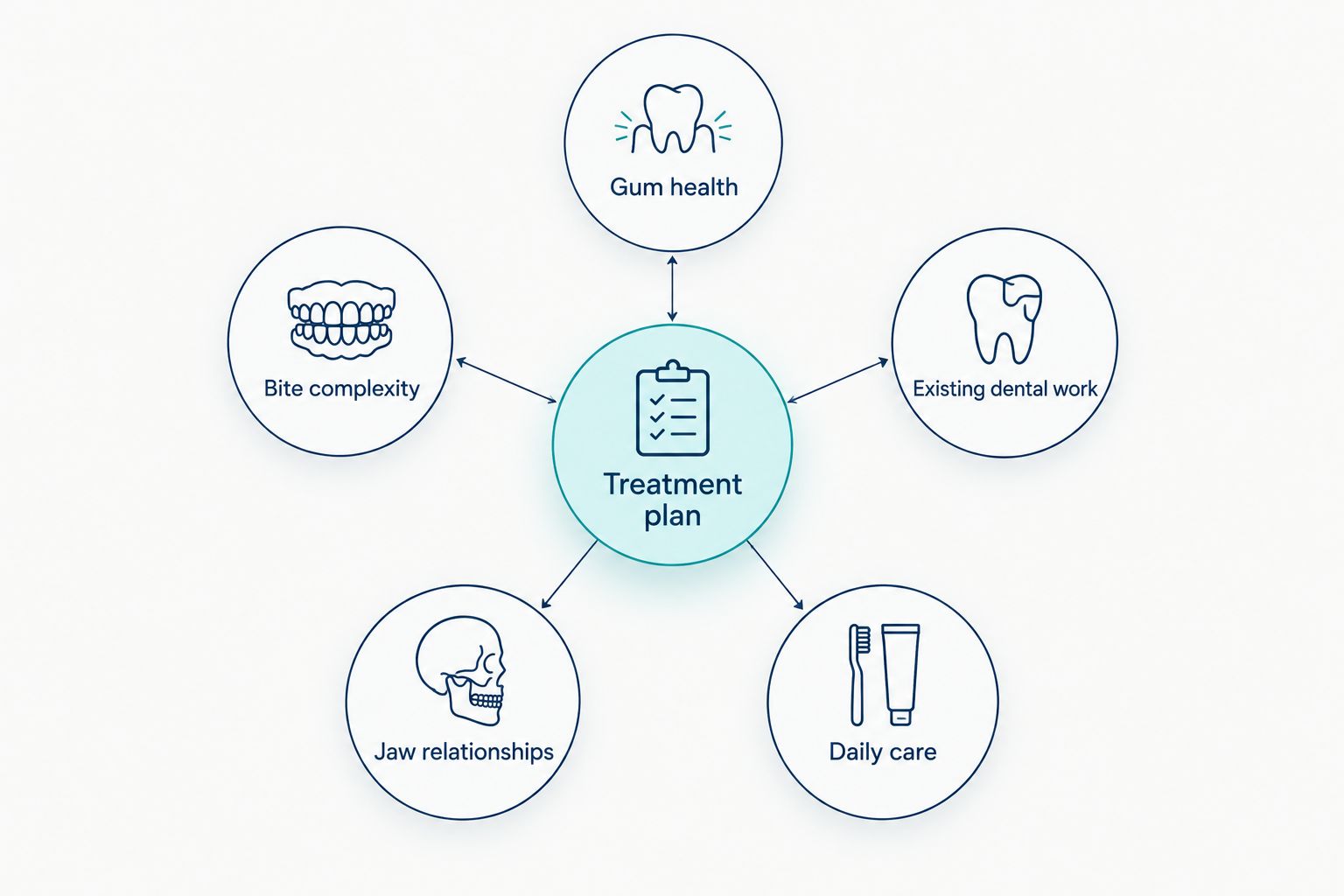
Two adults of the same age can need very different plans. Your 2026 assessment should explain the factors that apply to you rather than assigning treatment based on age alone.
- Gum health: Inflammation and reduced support affect whether treatment can begin and how it needs monitoring.
- Bite complexity: Moving a slightly crowded tooth differs from correcting a more involved bite problem.
- Existing dental work: Crowns, bridges, and implants change what can move and how care is coordinated.
- Jaw relationships: Braces move teeth, but they do not make a fully grown adult jaw grow like a child's.
- Daily care: Cleaning, attendance, and following appliance instructions influence treatment progress and safety.
A useful plan makes these factors clear before you agree to treatment. Ask which issues need attention first and which limitations remain even after the teeth are straighter.
Can adults with crowns, implants, or missing teeth get braces?
Adults with existing dental work can still be considered for orthodontic treatment, but that work needs to be part of the plan. A crown covers a natural tooth, while a dental implant is anchored in bone and does not move like a natural tooth under orthodontic forces.
Bridges connect teeth, which can also affect planned movement. Missing teeth create another planning question: whether to close a space, preserve it, or arrange it for a future replacement.
The order of care matters. Discuss any planned restorations with the orthodontist before having permanent dental work completed. Coordinating treatment helps avoid planning a restoration around tooth positions that are about to change.
Is adult orthodontic treatment safe?
Adult orthodontic treatment requires an appropriate diagnosis and monitoring; age alone does not establish safety. An examination helps identify risks before the clinician recommends moving teeth.
Possible problems include decay around appliances, gum inflammation, recession in susceptible areas, and shortening of tooth roots. Temporary soreness can occur after adjustments or a new aligner, but persistent pain, swelling, or unexpected looseness deserves a call to the treating office.
Avoid treating a photograph or digital preview as proof that your teeth are ready. A preview shows a proposed result, not the condition of your roots, gums, or bone.
Ask what will be monitored and how you should report concerns. A clear answer is more useful than a promise that treatment will be effortless.
How do you care for your teeth during adult treatment?
Your cleaning routine matters throughout treatment. The American Dental Association recommends brushing for 2 minutes, 2 times per day, with fluoride toothpaste, and cleaning between your teeth 1 time per day.
Brackets, wires, and attachments add places where plaque collects. Ask the treating team to demonstrate the tools that suit your appliance rather than guessing how to clean around it.
Keep routine dental appointments while receiving orthodontic care. Orthodontic checks and general dental visits serve different purposes; an adjustment is not a substitute for checking for decay and gum disease.
For your 2026 appointment checklist, include a practical question: can you demonstrate the cleaning routine before leaving? Seeing how to reach a difficult area often helps more than receiving a list of supplies.
What should you ask before starting braces?
A good conversation should leave you understanding both the recommendation and its limits. Bring your questions in writing if that makes the appointment feel easier.
- What needs treatment before my teeth can move?
- What will this plan change about my bite and appearance?
- Why do you recommend this appliance for my teeth?
- How will existing crowns, implants, or gum recession affect care?
- Who should I contact if something hurts or breaks?
- What retainer plan will I need afterward?
Mysmiletheory is best for local adults seeking general dental care before an orthodontic assessment. Its stated services include general, cosmetic, restorative, and family dentistry; the orthodontic appliance decision belongs with the clinician evaluating your tooth movement.
If you are looking for a personal dentist in Spring, you can begin by discussing your dental health and goals without deciding on braces that day.
Start with your dental health
Discuss your smile goals and oral health before deciding whether to pursue orthodontic treatment.
FAQ
Am I too old to get braces?
There is no fixed upper age limit for braces. Your gum health, bone support, teeth, and treatment goals determine whether orthodontic treatment is appropriate.
Can I get braces if my gums bleed?
Bleeding gums need an assessment before you start braces. Your dentist should identify the cause and address active gum disease before orthodontic tooth movement begins.
Are clear aligners better than braces for adults?
Clear aligners are not automatically better than braces for adults. The right choice depends on the movements required, your oral health, and your ability to follow the prescribed routine.
Can I get braces if I already had them as a teenager?
Previous braces do not rule out another course of treatment. An orthodontist needs to assess why your teeth shifted, their current support, and what correction is appropriate now.
Will braces fix every problem with my smile?
Braces change tooth position, but they do not directly change tooth color or repair damaged tooth structure. Discuss which concerns involve alignment and which require a separate dental assessment.
Do adults need retainers after braces?
Adults generally need retainers after braces because teeth can shift after active treatment ends. Follow the retainer schedule your treating clinician prescribes.
Does Mysmiletheory offer adult braces?
Mysmiletheory's stated services include general, cosmetic, restorative, and family dentistry; adult braces are not specified. Ask the clinic about an oral health assessment and the appropriate next step for orthodontic questions.
One last thing
The end of braces is not the end of keeping teeth in position. Retainers are part of the treatment commitment, not an optional finishing touch.
Before starting in 2026, ask how retention will fit your life and what to do if a retainer stops fitting. A clear long-term plan is a better foundation than focusing only on the day the braces come off.