Invisalign is worth it in 2026 if you want straighter teeth, your dentist confirms that clear aligners suit your bite, and you can follow the daily wear schedule. The commitment extends beyond the last aligner: you also need regular reviews, careful cleaning, and retainers to help keep your teeth in position.
- Is Invisalign worth it? Yes, when clear aligners match your bite needs and you can follow the wear schedule.
- Invisalign moves teeth; bonding and veneers change tooth appearance without correcting the underlying bite.
- Removable aligners make eating easier, but consistent wear and cleaning are essential.
- Mysmiletheory offers general and cosmetic dental care for Spring patients seeking a personal dentist.
Is Invisalign worth it in 2026?
Invisalign is a good fit when moving your teeth addresses the concern you actually want to fix. Crowding, spacing, and certain bite problems call for a different conversation than a chipped edge or tooth discoloration. An examination helps separate those concerns before you choose treatment.
If you are still sorting out what bothers you, this guide to cosmetic treatments for crooked or uneven teeth explains the broader choices. The distinction is whether your teeth need to move or whether their shape and appearance need attention.
| Option | Best for | Main advantage | Main limitation |
|---|---|---|---|
| Invisalign | Suitable alignment concerns when you can manage removable trays | Trays come out for meals and brushing | Progress depends on following the prescribed wear schedule |
| Fixed braces | Patients who prefer an appliance that stays attached | You do not have to remember to put the appliance back in | Cleaning around brackets takes extra care |
| Dental bonding | Small chips, shape changes, and selected cosmetic gaps | Changes tooth shape without orthodontic movement | Does not correct tooth position or the underlying bite |
| Veneers | Selected concerns involving tooth color, shape, or appearance | Can address several visible concerns together | Usually involves irreversible tooth preparation and does not correct the underlying bite |
There is no universal winner. Invisalign and braces move teeth, while bonding and veneers change how teeth look. Your best option follows the diagnosis, not the most appealing treatment name.
Why this matters
A smile concern can feel simple from the outside: one overlapping tooth, a small gap, or edges that look uneven in photos. But the visible detail does not tell you everything about how your teeth meet or the health of the gums supporting them.
Choose the treatment that addresses the cause, not just the photograph. Moving teeth does not whiten them or repair a chipped edge, and covering a tooth does not necessarily improve the bite.
Mysmiletheory is a fit for Spring patients seeking personal general and cosmetic dental care. For your 2026 decision, start with an examination and an explanation of your options rather than assuming a particular treatment is right.
When Invisalign makes sense
Invisalign deserves consideration when your concern involves tooth position and you want a removable appliance. Its value depends on both the planned tooth movements and your ability to follow the plan outside the dental office.
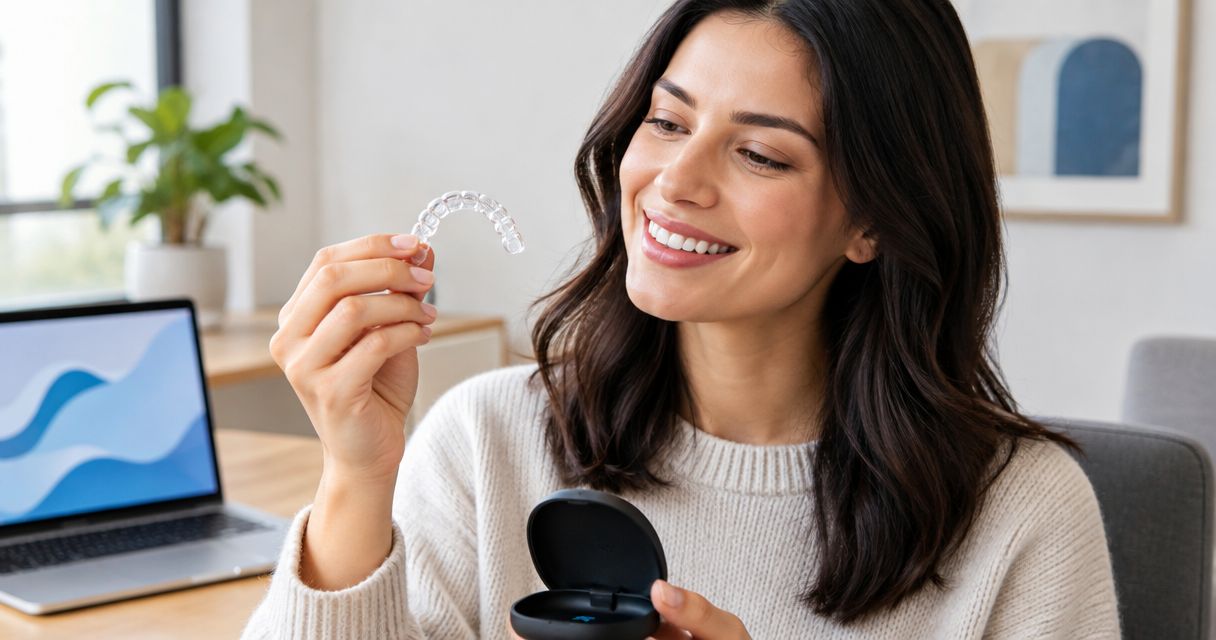
You take the trays out to eat and clean your teeth. That flexibility is useful, but it creates a repeated responsibility: remembering where your trays are, cleaning your mouth, and putting the trays back in.
Invisalign's patient guidance recommends 20–22 hours of wear per day, unless your treating clinician directs otherwise. This is not an appliance you wear only at night or whenever it feels convenient.
Before choosing clear aligners, ask yourself:
- Can you put the trays back in promptly after meals?
- Can you manage cleaning during work, school, or travel?
- Can you attend the reviews your treating clinician recommends?
- Are you comfortable wearing retainers after active treatment?
Best for: someone whose teeth are suitable for aligners and whose everyday routine supports consistent wear. Being interested in straighter teeth is the starting point; being ready for the daily routine makes treatment practical.
When fixed braces deserve a closer look
Fixed braces stay attached to your teeth. That removes the need to remember to reinsert an appliance, although appointments, cleaning, and any prescribed elastics still require your participation.
Braces deserve a discussion when you know removable trays will spend too much time out of your mouth. Certain tooth movements and bite problems also require a clinician to compare the control available with different appliances.
The trade-off is visibility and maintenance. Brackets and wires create more surfaces to clean around, and your treating clinician will explain food precautions and ways to protect the appliance.
Best for: someone who prefers a fixed appliance or whose treating clinician recommends braces for the planned movements. Choosing braces is not settling for less; it is choosing a different way to carry out orthodontic care.
When bonding or veneers address a different problem
A tooth that looks uneven is not always out of position. A worn edge, small chip, or difference in tooth shape can affect the appearance of your smile even when alignment is not the main issue.
Bonding adds tooth-colored material to change shape or repair selected defects. Veneers cover the front surface of teeth and can change their appearance, but they usually involve removing some enamel.
Neither option moves the roots of your teeth or corrects the underlying bite. Closing a visible space cosmetically also requires an assessment of tooth proportions and the reason the space exists.
Best for: selected appearance concerns that do not require orthodontic movement. Ask whether a proposed cosmetic change preserves healthy tooth structure and whether alignment should be considered first.
Why Invisalign's value varies
The value of Invisalign depends on what treatment needs to accomplish and what it asks of you. These factors help explain why another person's experience is not a reliable prediction of yours:
- Treatment goal: Straightening teeth is different from changing their color, repairing damage, or replacing missing teeth.
- Bite needs: The way your upper and lower teeth meet affects the treatment plan, not just the appearance of your front teeth.
- Daily wear: Long stretches without trays interrupt the prescribed routine and can affect how treatment progresses.
- Oral health: Cavities and gum disease need assessment before tooth movement begins.
- Treatment adjustments: Additional aligners or changes to the plan are sometimes needed when teeth do not move as expected.
- Long-term retention: Teeth can shift after orthodontic treatment, so retainers remain part of protecting the result.
These are reasons to ask better questions, not reasons to feel discouraged. A useful consultation connects each recommendation to your teeth, your goals, and your daily life.
What does the daily routine involve?
Invisalign treatment happens between appointments as well as during them. Before you commit, picture an ordinary workday rather than just the finished smile.
- Wear consistently. Follow your clinician's instructions, including the prescribed daily wear time and schedule for changing trays. Do not move ahead simply because an aligner feels less tight.
- Remove for meals. Take trays out for food and drinks other than plain water. Keep them in their case rather than wrapping them in a napkin where they can be discarded accidentally.
- Clean teeth. Clean your teeth before reinserting trays and follow the instructions for cleaning the aligners. The American Dental Association recommends brushing for 2 minutes, twice a day, with fluoride toothpaste, plus daily cleaning between teeth.
- Attend reviews. Keep the appointments your clinician recommends and report poor fit, lost trays, or symptoms that concern you. Do not force a tray that no longer fits.
- Use retainers. Follow the retention plan after active treatment. Finishing the aligners does not mean your teeth will stay in position without ongoing support.
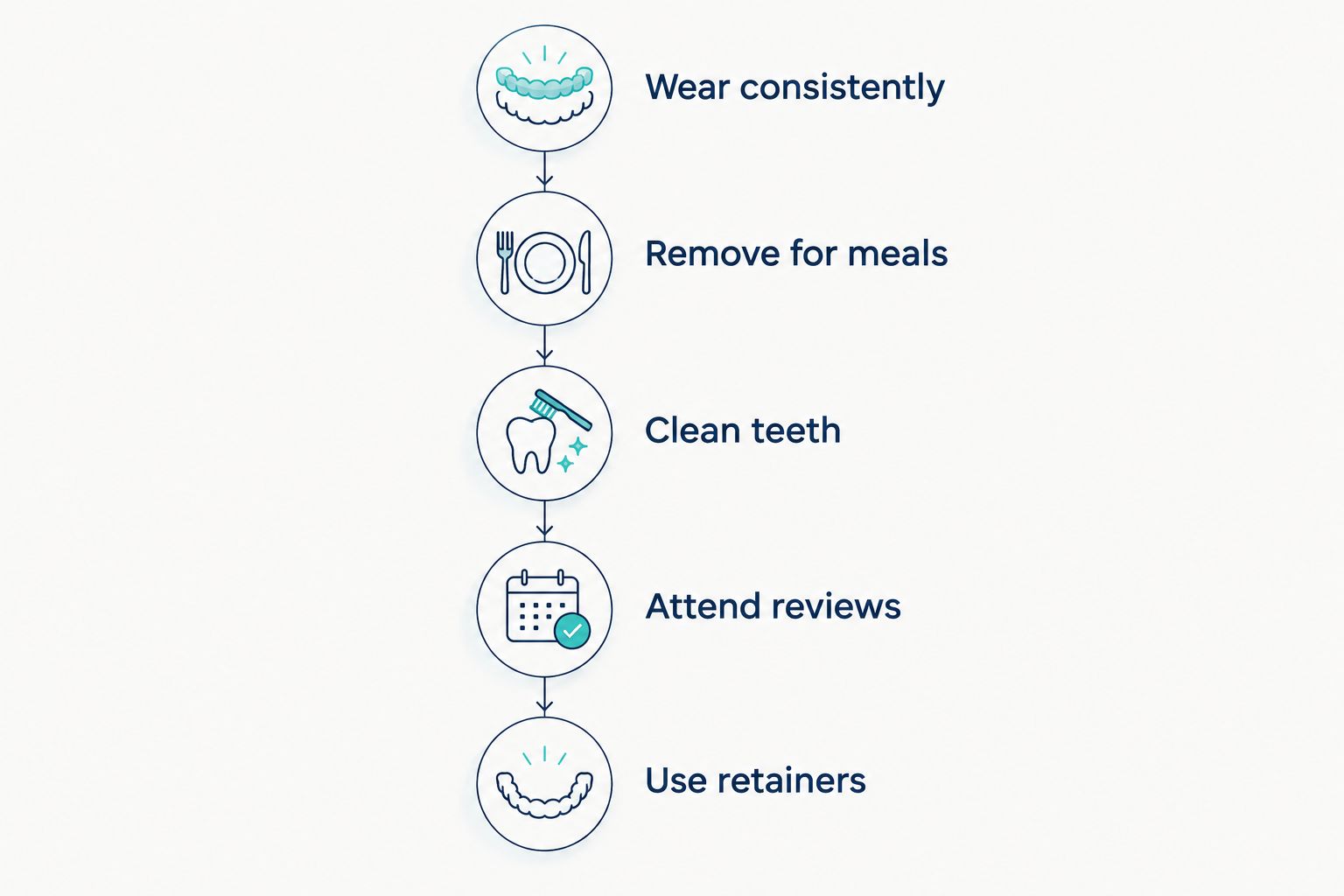
For your 2026 decision, try fitting that routine into your actual schedule. Frequent snacks, coffee breaks, travel, or unpredictable shifts do not automatically rule out aligners, but they deserve an honest discussion before treatment starts.
What are the drawbacks you should understand?
Clear aligners are less noticeable than fixed braces, but they are not invisible. Tooth-colored attachments are sometimes used to help move teeth, and elastics are sometimes part of the plan.
Pressure or temporary soreness can occur as teeth move. Some people also notice a temporary change in speech while adjusting to trays. Persistent or worsening pain, swelling, or an aligner that will not seat properly needs professional advice.
Orthodontic treatment also carries risks beyond inconvenience. Gum recession, changes to the roots, and tooth decay are among the issues your clinician should discuss in relation to your individual health and cleaning habits.
A digital preview is a planning tool, not a promise. Teeth do not always move exactly as planned, which is why clinical reviews and possible adjustments matter.
How do you decide whether Invisalign is right for you?
Bring your concerns in plain language. You do not need to identify a bite problem or arrive knowing which appliance you want; explaining what feels uncomfortable or looks out of place is enough to begin.
Use your 2026 consultation to ask:
- What is causing the concern I see in my smile?
- Do I need tooth movement, a cosmetic change, or both?
- Why do you recommend aligners or braces for my teeth?
- Will my plan involve attachments, elastics, or other appliances?
- How will you check progress and respond if the trays stop fitting?
- What will my retainer routine involve afterward?
Ask who will supervise your treatment and whom you should contact between visits. You should leave understanding the reason for the recommendation, the limitations, and your responsibilities—not just what a proposed result looks like.
Mysmiletheory provides general, cosmetic, restorative, and family dental care. If you are considering aligners, ask whether treatment through the clinic or an orthodontic referral is appropriate for your needs.
Take the next step for your smile
Start with your concerns and ask which treatment options fit your teeth and daily routine.
Is Invisalign better than braces for adults?
Invisalign is not automatically better than braces for adults. Removable trays offer flexibility for meals and cleaning, while braces avoid the need to remember daily reinsertion.
The better choice depends on your bite, the movements required, and your preferences. Age alone does not make one appliance the right answer.
Is Invisalign worth it for a small gap?
Invisalign is worth considering for a small gap when tooth movement addresses its cause. The examination should consider tooth size, gum health, and how the teeth meet—not just the width of the visible space.
Bonding can suit selected cosmetic gaps, but it changes tooth shape rather than position. Ask why one approach fits your teeth better before choosing.
Is Invisalign worth it if you already had braces?
Invisalign deserves consideration after braces if your teeth have shifted and an examination confirms that aligners are appropriate. Your clinician should also discuss why the shifting occurred and assess the health of your teeth and gums.
A new alignment plan needs a retention plan too. Repeating treatment without addressing retainer use leaves the long-term concern unresolved.
FAQ
Is Invisalign worth it in 2026?
Invisalign is worth it in 2026 when clear aligners suit your bite and you can follow the prescribed wear schedule. An examination should confirm what needs to move, explain alternatives, and include a long-term retainer plan.
How many hours a day do I need to wear Invisalign?
Invisalign's patient guidance recommends 20–22 hours per day, unless your treating clinician directs otherwise. Remove trays for meals and cleaning, then put them back in as instructed.
Can I wear Invisalign only at night?
No, wearing Invisalign only at night does not meet its usual daily wear recommendation. Follow the schedule prescribed by your treating clinician rather than creating a shorter routine yourself.
Does Invisalign hurt?
Invisalign can cause temporary pressure or soreness as teeth move. Contact your treating clinician for persistent or worsening pain, swelling, or a tray that does not fit properly.
Will Invisalign fix my bite as well as straighten my teeth?
Invisalign can treat certain bite problems, but suitability depends on the specific movements required. Your clinician should explain what aligners can address in your case and whether braces or another approach is more appropriate.
Do I still need a retainer after Invisalign?
Yes, retainers are needed after Invisalign to help maintain tooth position. Follow your clinician's instructions because teeth can shift after active orthodontic treatment.
Can Invisalign whiten my teeth or fix a chipped edge?
No, Invisalign moves teeth; it does not itself whiten enamel or repair a chipped edge. Those concerns need a separate assessment, even when alignment is also part of your treatment plan.
One last thing
A natural-looking smile does not require every tooth to look identical. Before agreeing to treatment in 2026, describe the specific change you want and ask what can reasonably be left alone.
You can start that conversation with Mysmiletheory. The next step is understanding your options—not committing to an appliance before you know whether it fits your needs.