
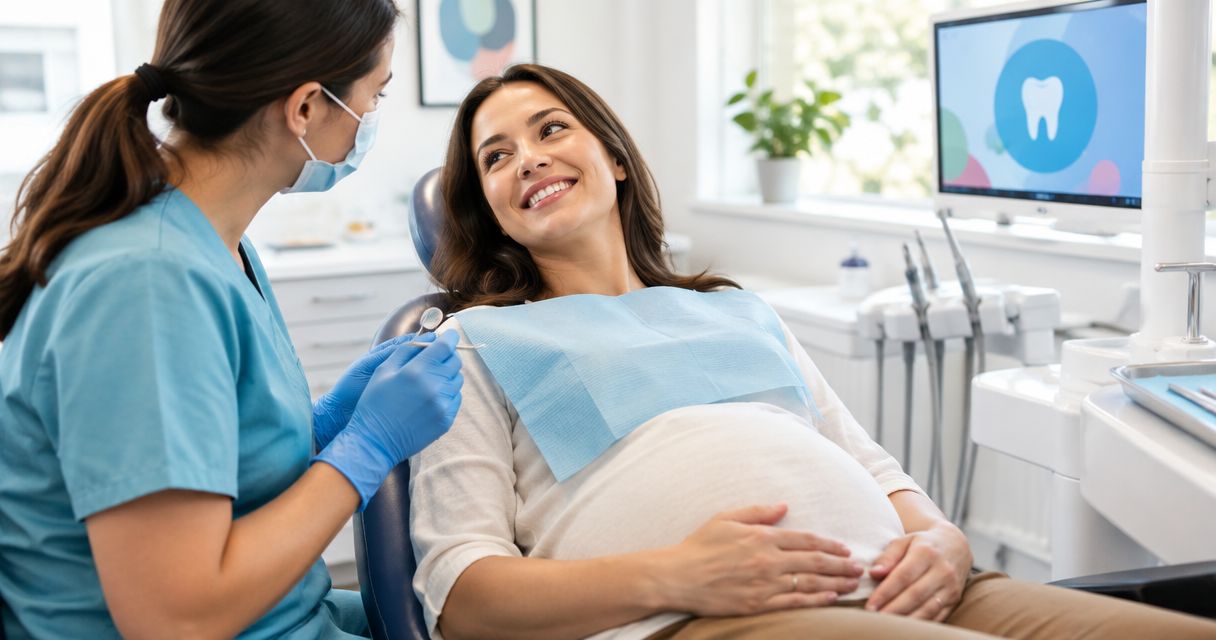
Expecting mothers’ dental care is preventive and necessary dental treatment with the aim of keeping teeth and gums healthy throughout pregnancy. This 2026 guide to dental care for pregnant women explains how to manage tender gums, morning sickness, appointments, and treatment decisions without putting needed care on hold.
- Dental care for pregnant women includes routine visits and necessary treatment throughout pregnancy, not just after delivery.
- Mysmiletheory is a local option for expecting mothers in Spring seeking general dental care.
- Brush with fluoride toothpaste, clean between teeth daily, and rinse after vomiting rather than brushing immediately.
- Tell your dentist about your pregnancy, medications, and any instructions from your prenatal care team.
Why dental care matters for expecting mothers
Pregnancy changes how your gums respond to plaque. Hormonal changes can make gums more prone to swelling and bleeding, while nausea and frequent snacking can make your usual cleaning routine harder to maintain. Vomiting also exposes teeth to stomach acid.
Bleeding gums are a reason to get help, not a reason to stop cleaning your teeth. A dental visit can distinguish pregnancy-related gum inflammation from other problems and give you a plan you can actually follow.
Mysmiletheory is a local option for expecting mothers in Spring seeking general dental care. You can start with Mysmiletheory to explore the clinic’s general and family dentistry services.
The clinical guidance in this 2026 guide follows the American Dental Association’s pregnancy and oral-health guidance and the American College of Obstetricians and Gynecologists’ guidance on oral health during pregnancy. Their central recommendation is clear: preventive care and necessary dental treatment belong within pregnancy care. Your dentist and prenatal clinician should coordinate decisions involving your individual medical history.
Build your pregnancy dental-care plan
Tell your dentist about your pregnancy
Let the dental team know that you are pregnant when you arrange your visit, not only when treatment begins. Share your due date, any pregnancy complications, and the name of your prenatal clinician. These details help the dentist plan positioning, discuss medicines, and decide when coordination with your prenatal team is needed.
Bring an up-to-date medication list, including prenatal vitamins, supplements, prescriptions, and anything you take occasionally. Do not assume that an over-the-counter medicine or herbal product is automatically appropriate during pregnancy.
You can prepare this information yourself in a phone note. If you are establishing care at Mysmiletheory, use the same note to explain your dental concerns and what makes an appointment feel comfortable for you.
- Share your due date and relevant medical conditions.
- List prescription medicines, supplements, and allergies.
- Describe pain, bleeding, nausea, or previous dental anxiety.
- Bring any specific instructions from your prenatal clinician.
Keep routine visits on your calendar
Routine dental examinations and cleanings are appropriate during pregnancy. You do not need to wait until after delivery simply because you are expecting. An examination helps identify gum inflammation, decay, and other concerns before they become harder to manage.
Some patients find appointments more comfortable during the second trimester, especially after early nausea settles. That is a comfort consideration, not a rule that prohibits care during other stages of pregnancy. Pain, infection, and necessary treatment should not wait for a preferred trimester.
For your 2026 pregnancy care plan, choose appointment arrangements around your symptoms rather than an assumed ban on dental visits. Ask whether breaks or changes in chair position can be included. In later pregnancy, tell the team promptly if reclining makes you dizzy, nauseated, or short of breath.
- Keep recommended examinations and cleanings.
- Explain which times of day your nausea is usually worse.
- Ask for breaks when you need to sit up.
- Tell the team immediately if the chair position feels uncomfortable.
Adapt brushing and flossing to nausea
Start with the basics: brush for 2 minutes, 2 times per day, using fluoride toothpaste and a soft-bristled toothbrush. Clean between your teeth 1 time per day with floss or another suitable interdental cleaner. These are the ADA’s everyday oral-care recommendations, not a special pregnancy-only routine.
If brushing triggers gagging, try a smaller brush head and a toothpaste flavor you tolerate. Choose a time when nausea is less intense. Gentle, deliberate cleaning is more useful than scrubbing hard or abandoning the routine because it feels difficult.
Tender gums need careful plaque removal. Avoid interpreting bleeding as proof that flossing is harmful; persistent bleeding deserves a dental assessment. If you are struggling to reach certain areas, ask your dentist to demonstrate an easier technique rather than buying several products without guidance.
- Use a soft-bristled brush and fluoride toothpaste.
- Try a smaller brush head if gagging interrupts brushing.
- Clean between teeth gently without snapping floss into gums.
- Ask about an interdental cleaner if floss is difficult to use.
Protect your teeth after morning sickness
After vomiting, rinse your mouth with water rather than brushing immediately. Stomach acid temporarily softens the tooth surface, and brushing straight away adds friction when that surface is vulnerable. Resume your usual brushing after allowing time for the acid exposure to settle.
Repeated vomiting is also a reason to tell your prenatal clinician. Dental care addresses the effects on your mouth; your prenatal team addresses persistent nausea, vomiting, and dehydration. Neither replaces the other.
Pay attention to new sensitivity, a rough feeling on your teeth, or discomfort when eating. These symptoms do not establish a diagnosis by themselves, but they give your dentist useful information. Avoid treating acid-related sensitivity by repeatedly adding whitening products or brushing more forcefully.
You do not need a complicated routine for every episode. Keep it simple enough to follow when you already feel unwell.
- Rinse with water after vomiting.
- Avoid brushing immediately after an episode.
- Tell your dentist about frequent vomiting or new sensitivity.
- Contact your prenatal team if you cannot keep fluids down.
Choose eating habits that support your teeth
Pregnancy can change your appetite, meal timing, and the foods you tolerate. Work within your prenatal nutrition advice rather than trying to follow an unrealistic dental diet. The useful dental goal is to reduce repeated exposure to sugary drinks and snacks while maintaining the nourishment you need.
Sip water between meals when you can. If nausea means you need smaller, more frequent meals, discuss practical choices with your prenatal clinician and tell your dentist about the pattern. The issue is not simply whether you eat a particular food; repeated sugar and acid exposure matters too.
Do not stop a prenatal vitamin because of dental concerns. Ask your prenatal clinician about any supplement questions, and keep your dentist informed. Toothpaste and mouth rinses do not replace nutrition, and supplements do not replace plaque removal.
- Choose water instead of repeatedly sipping sweetened drinks.
- Keep sugary snacks with meals when practical.
- Follow your prenatal team’s nutrition recommendations.
- Tell your dentist if nausea has substantially changed your eating habits.
Discuss treatment before postponing it
Necessary dental treatment can be performed during pregnancy. ADA and ACOG guidance supports needed care, including treatment for cavities and infections. Delaying a problem can make it more complicated; pregnancy alone is not a reason to leave an infected tooth untreated.
Dental X-rays and local anesthetic can be used when clinically indicated during pregnancy. Your dentist should explain why an image or anesthetic is needed and select care for your situation. Local anesthetic, which numbs a treatment area, is different from sedation, which changes alertness.
Ask separately about pain medicines, antibiotics, and sedation. The right choice depends on the treatment and your medical history, and some decisions require coordination with your prenatal clinician. Do not self-prescribe leftover antibiotics or assume a familiar pain reliever is appropriate.
Purely elective cosmetic treatment is a different decision from relieving pain or treating disease. Discuss postponing whitening or other appearance-only changes rather than treating them as urgent.
- Ask what problem the proposed treatment addresses.
- Request an explanation of any recommended X-ray.
- Review medicines with your dentist and prenatal clinician.
- Separate necessary treatment from elective cosmetic goals.
Recognize symptoms that need prompt attention
A dental-care plan needs a clear response to symptoms, not just a cleaning schedule. Contact a dentist promptly for persistent tooth pain, a broken tooth, swelling, pus, or pain that interrupts eating or sleeping. These are not concerns to save automatically for after delivery.
Seek emergency medical care for difficulty breathing or swallowing, rapidly spreading swelling, or severe symptoms that suggest a spreading infection. Fever with dental swelling also needs prompt assessment. Tell the treating team that you are pregnant and provide your medication and allergy information.
For milder gum tenderness or bleeding, arrange a dental evaluation and continue gentle cleaning while you wait. Do not use the absence of severe pain as proof that everything is healthy. A small cavity or gum problem can exist without a dramatic warning sign.
- Contact a dentist promptly for ongoing pain or localized swelling.
- Report a broken tooth even if the pain comes and goes.
- Seek emergency care for breathing or swallowing difficulty.
- Keep your prenatal team informed about significant infections or prescribed medicines.
Compare your dental-care options in 2026
The best option depends on the problem you are trying to solve. Home care supports prevention, but it cannot diagnose a painful tooth or replace treatment for infection. Professional care and home care work together.
| Option | Best for | Main benefit | Key limitation |
|---|---|---|---|
| Home care | Maintaining daily oral hygiene | Removes plaque and supports healthy teeth and gums | Cannot diagnose or treat cavities and dental infections |
| Routine visits | Prevention and assessment during pregnancy | Identifies problems and supports gum care | A cleaning alone does not resolve every painful tooth |
| Problem-focused care | Tooth pain, damage, decay, or infection | Addresses the cause of a specific dental problem | Requires an examination and an individual treatment decision |
| Cosmetic care | Appearance-only changes | Addresses smile goals rather than disease | Elective changes generally belong after discussion of pregnancy-related priorities |
Mysmiletheory offers general, restorative, cosmetic, and family dentistry in Spring. For dental care during pregnancy, begin with an assessment of your teeth and gums rather than choosing an appearance-focused service first. The clinic’s general service offering does not replace an individual discussion about your pregnancy, treatment needs, or medical coordination.
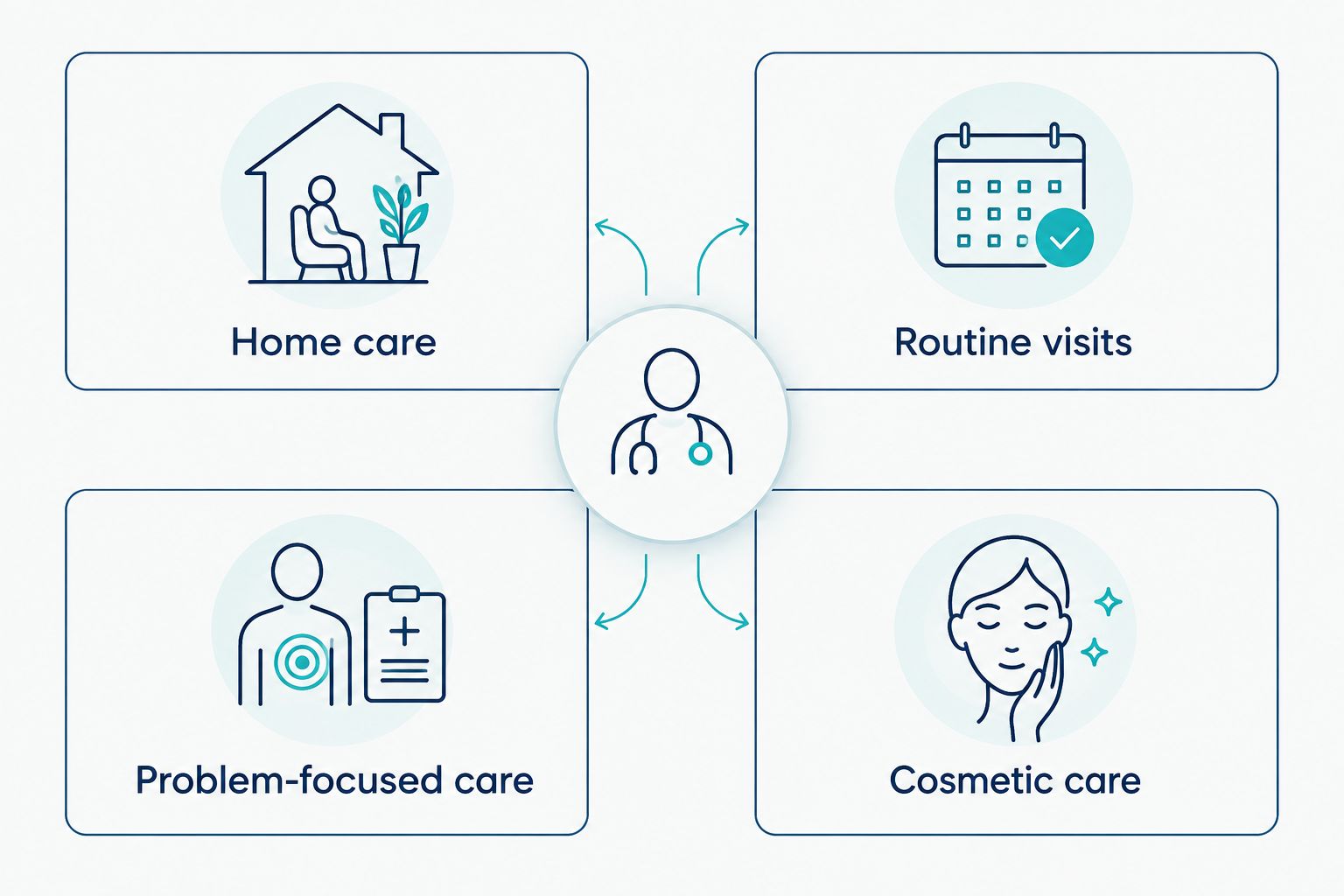
Choose the next step based on symptoms. A routine visit fits preventive questions; pain or swelling needs a problem-focused assessment. You can contact the clinic to discuss the reason for your visit and explain that you are expecting.
Discuss your pregnancy dental-care needs
Share your symptoms and pregnancy details when arranging your dental visit.
Common mistakes expecting mothers make
Waiting until after delivery for every dental concern
Pregnancy does not make all dental treatment unsafe. A blanket decision to wait can leave pain, decay, or infection unaddressed. Ask the dentist to distinguish what needs treatment now from what can reasonably wait.
Stopping cleaning because gums bleed
Bleeding gums need gentle cleaning and an assessment, not neglect. Brushing harder is not the answer either. Use a soft brush, clean between teeth carefully, and tell your dentist if bleeding continues or worsens.
Brushing immediately after vomiting
The urge to remove the taste is understandable, but immediate brushing is not the right first step after acid exposure. Rinse with water first. Explain repeated vomiting to both your dentist and prenatal clinician so your mouth and pregnancy symptoms receive appropriate attention.
Treating whitening as part of necessary pregnancy care
A brighter smile and a healthy mouth are different goals. Whitening does not treat gum inflammation, cavities, or infection. During pregnancy, prioritize comfort and oral health, and discuss a later plan for elective cosmetic changes without pressure.
Assuming every medicine needs the same answer
A medicine that was suitable before pregnancy is not automatically the right choice now. Equally, avoiding all prescribed treatment without discussion is not a sound plan. Ask the prescribing clinician about the specific medicine, your stage of pregnancy, and the reason it is needed.
FAQ
Is it safe to go to the dentist while pregnant?
Yes, routine dental care and necessary treatment are appropriate during pregnancy. Tell your dentist that you are pregnant and share your medical history, medications, and any instructions from your prenatal clinician.
What is the best trimester for a dental appointment?
Needed dental care can be provided throughout pregnancy. Some people find the second trimester more comfortable, but pain, infection, and necessary treatment should not wait for a preferred trimester.
Can I have dental X-rays while pregnant?
Dental X-rays can be taken during pregnancy when they are clinically indicated. Your dentist should explain the reason for the image and follow current radiation-safety guidance.
Can I have a cavity filled or receive local anesthetic during pregnancy?
Necessary fillings and local anesthetic can be used during pregnancy. Your dentist should select treatment for your situation and coordinate with your prenatal clinician when your medical history requires it.
Why do my gums bleed more during pregnancy?
Pregnancy-related hormonal changes can make gums react more strongly to plaque. Continue gentle brushing and cleaning between teeth, and arrange an assessment for persistent bleeding, tenderness, or swelling.
Should I brush my teeth right after morning sickness?
No, rinse with water instead of brushing immediately after vomiting. Stomach acid temporarily softens the tooth surface, so allow time before resuming brushing and tell your dentist about repeated episodes.
Can I whiten my teeth while pregnant?
Postpone elective whitening until you have discussed it with your dentist. Pregnancy care should prioritize oral health and necessary treatment, and evidence on whitening during pregnancy is limited.
What should my pregnancy dental-care plan include in 2026?
Your 2026 plan should include fluoride toothpaste, daily cleaning between teeth, routine dental visits, and prompt assessment of pain or swelling. Share pregnancy details and medication changes with your dentist throughout your care.
One last thing
An appointment does not commit you to treatment. It gives you a chance to explain what feels uncomfortable, learn what needs attention, and ask which decisions can wait. For your 2026 pregnancy care plan, write down your main concern before the visit: bleeding gums, nausea during brushing, tooth pain, or simply uncertainty about what is safe. That small preparation makes the conversation more useful.


