
Teeth cleaning cost in 2026 depends on the type of cleaning your gums need, what the appointment includes, and how your dental benefits apply. Ask for an itemized estimate for the full visit—not just the cleaning—because an exam, X-rays, or additional gum treatment can change your out-of-pocket total.
- How much does teeth cleaning cost? Compare the full visit estimate, the cleaning type, and your dental benefits.
- Routine cleaning and deep cleaning treat different needs; neither is an interchangeable upgrade.
- Mysmiletheory offers general and family dental care for patients seeking a personal dentist in Spring, Texas.
- Confirm whether your estimate includes an exam, X-rays, and any recommended additional treatment.
Why this matters
A cleaning estimate is useful only when you know what it covers. Comparing a cleaning-only quote with a first-visit quote that includes an examination does not tell you which appointment will cost you less overall.
Mysmiletheory is a fit for Spring, Texas patients seeking general and family dental care from a personal dentist. You can start with Mysmiletheory to ask about arranging an appointment and discussing your needs. Before treatment, ask the dental team to explain the recommendation and provide an estimate you understand.
You do not need to know which cleaning to request before calling. Describe your concerns, mention any dental coverage, and explain whether you are returning for regular care or starting with a new dentist.
How much does teeth cleaning cost in 2026?
There is no single cleaning fee that tells every patient what they will pay. Your useful number is the estimated patient responsibility for the recommended appointment, with each service listed separately.
Start by separating the parts of the visit. A cleaning, an examination, and diagnostic images serve different purposes, even when they happen during the same appointment.
| Part of the visit | What it addresses | What to clarify before treatment |
|---|---|---|
| Cleaning | Plaque and hardened buildup on teeth | Which type of cleaning is recommended? |
| Dental examination | Your dentist's assessment of oral health | Is the exam included in the estimate? |
| X-rays, when indicated | Areas that cannot be assessed by looking alone | Which images are needed, and are they listed separately? |
| Additional recommended care | A specific need identified during evaluation | Is this part of today's visit or a separate decision? |
| Insurance contribution | The portion your plan is expected to pay | What amount remains your responsibility? |
For a 2026 appointment, ask for an estimate based on your current benefits rather than relying on what a previous plan covered. An insurer's estimated contribution is not a guarantee of payment.
A helpful question is: “Does this estimate include everything you currently expect to do at this appointment?” Then ask what findings would require a revised estimate. That gives you a clearer starting point without assuming your treatment needs before an examination.
Routine cleaning: for preventive care
Best for: patients whose examination supports routine preventive cleaning. This appointment removes plaque and hardened deposits, also called tartar, from tooth surfaces. Brushing and flossing help control plaque at home, but hardened tartar needs professional removal.
The benefit is preventive care and attention to areas that are difficult to clean yourself. The limitation matters: a routine cleaning does not replace treatment for diagnosed gum disease. A mouth that looks clean can still need an assessment of the supporting gums and bone.
Ask whether the estimate is for the cleaning alone or a visit that includes other services. If you are a new patient, also ask how the examination fits into the appointment so you understand the sequence before arriving.
Deep cleaning: for diagnosed gum disease
Best for: patients whose dentist recommends scaling and root planing after evaluating gum disease. Often called a deep cleaning, this treatment cleans below the gumline and addresses deposits on tooth roots.
Its benefit is treating areas that a routine preventive cleaning does not adequately address. Its trade-off is a more involved treatment plan: the areas treated, comfort measures, and follow-up need an individual explanation.
Deep cleaning is not a premium version of a regular cleaning. Ask your dentist to show you the findings behind the recommendation, explain which areas need treatment, and describe how healing will be checked.
If the estimate lists treatment by sections of the mouth, ask which sections it includes. Comparing a partial treatment estimate with a plan for the entire mouth can create a misleading impression of the total.
Periodontal maintenance: after gum disease treatment
Best for: patients who need ongoing care following treatment for gum disease. Periodontal maintenance supports the care of teeth and gums after active treatment; it is not simply another name for routine cleaning.
The benefit is continued monitoring and cleaning suited to a history of periodontal disease. The limitation is that maintenance does not eliminate the need for daily home care or guarantee that gum disease will never return.
Ask how your recommended schedule relates to your gum health and how your plan classifies these visits. A benefit listed for routine preventive cleanings does not automatically describe coverage for periodontal maintenance.
How do the cleaning types compare?
| Cleaning type | Best for | Main benefit | Important limitation |
|---|---|---|---|
| Routine cleaning | Patients suited to preventive cleaning | Removes plaque and tartar during preventive care | Does not replace gum disease treatment |
| Deep cleaning | Patients with a diagnosis requiring treatment below the gumline | Treats deposits on affected root surfaces | Requires an individualized treatment plan |
| Periodontal maintenance | Patients following gum disease treatment | Supports ongoing periodontal care and monitoring | Does not replace daily home care |
Choose the cleaning that matches the diagnosis, not the name that sounds simplest. If a recommendation surprises you, ask for an explanation before agreeing to treatment. You can also request your records if you want another professional opinion.
Why teeth cleaning estimates vary
The most helpful comparison is between appointments with the same scope. These details explain why two estimates can describe different care rather than different fees for an identical visit:
- Cleaning type: Routine cleaning, deep cleaning, and periodontal maintenance address different needs.
- Included services: An estimate might list an examination and X-rays separately from the cleaning.
- Treatment scope: Gum treatment can involve specific areas rather than the entire mouth at once.
- Plan rules: Network status, deductibles, coverage limits, and service classifications affect patient responsibility.
- Additional care: Separately recommended services need their own explanation and estimate.
For 2026, compare the proposed services line by line. A lower headline quote does not establish a lower total if it leaves out services included in another estimate.
You can ask about cost without apologizing. “I want to understand the full visit before we begin” is a reasonable request, whether you have insurance or pay directly.
How can I get a clear cleaning estimate?
A short conversation before your appointment can prevent confusion. You do not need dental terminology; you need a clear description of the visit and what happens if the recommendation changes.
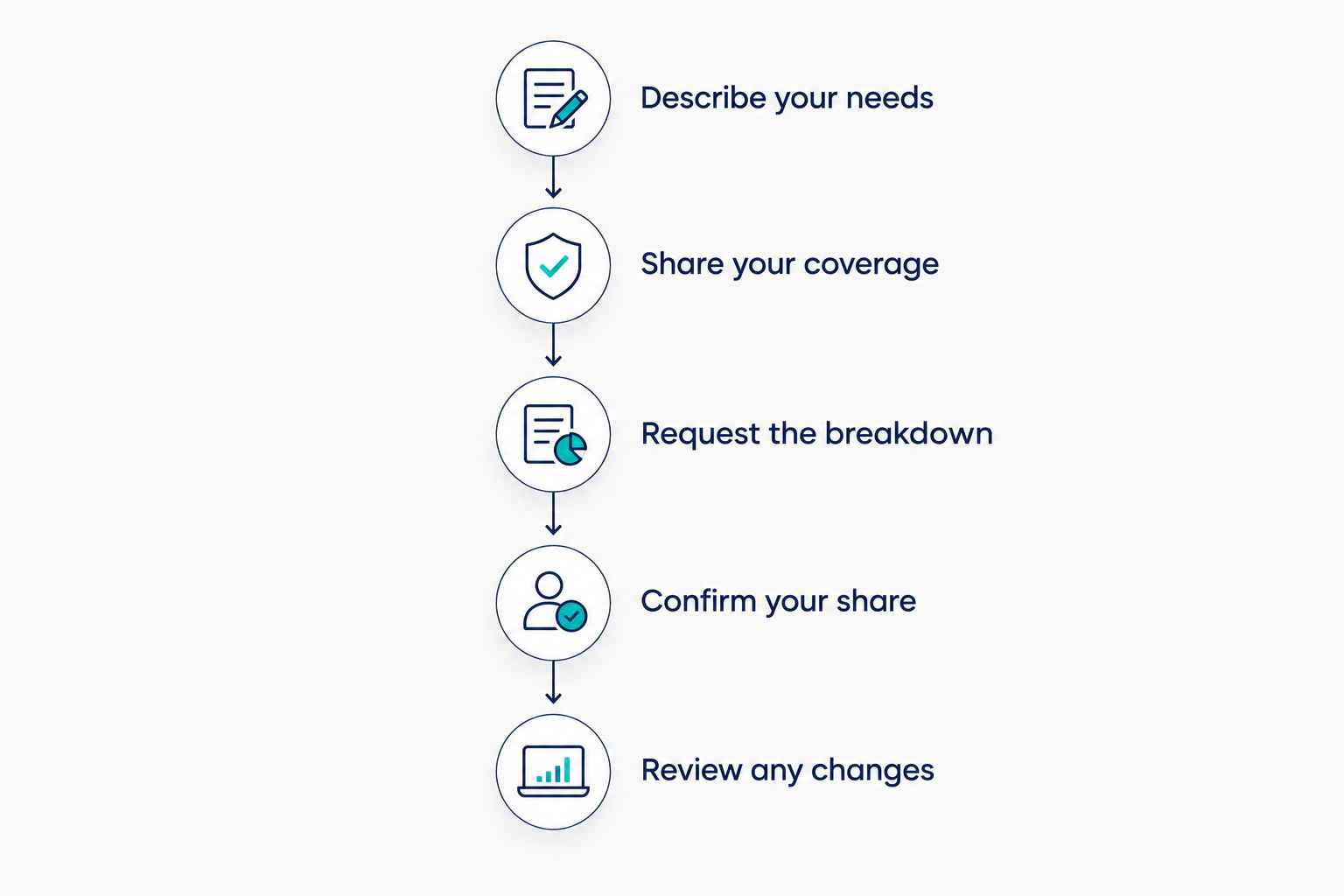
- Describe your needs. Mention bleeding gums, sensitivity, discomfort, previous gum treatment, or a long gap since your last visit.
- Share your coverage. Provide your current plan information and ask how benefits will be checked.
- Request the breakdown. Ask for separate entries for the cleaning, examination, images, and other recommended services.
- Confirm your share. Separate the total treatment estimate from the amount insurance is expected to contribute.
- Review any changes. If the examination identifies different needs, ask for an updated explanation and estimate before proceeding.
Keep a copy of the written estimate and any benefit explanation. If you compare offices, use those documents to check whether the proposed appointments include the same services rather than comparing a single headline amount.
Does insurance cover the whole cleaning appointment?
Dental insurance coverage depends on your specific policy and the services billed. Do not assume that a plan's preventive benefit includes every part of an appointment or every type of cleaning.
Ask your insurer whether the dentist is in network, how the recommended service is covered, and whether a deductible or frequency limit applies. If you have already received dental care elsewhere, ask whether those claims affect your remaining benefits.
For a 2026 visit, confirm your current eligibility and benefit period. Your dental office can help explain an estimate, but your policy determines coverage and the insurer makes the claim decision.
If you do not have dental insurance, ask for the full self-pay estimate. The same questions about included services still apply; you simply do not need to separate an insurer's expected contribution from your own responsibility.
Should I delay a cleaning until my teeth hurt?
Pain is not a reliable way to decide whether you need dental care. Gum disease can develop without obvious discomfort, so an examination provides information that how your teeth feel cannot.
Tell the office if your gums bleed, your bite feels different, or a tooth feels loose. These symptoms deserve evaluation rather than an assumption that a routine cleaning alone will address them.
If anxiety or sensitivity is part of your hesitation, say so when booking. Ask what the examination and cleaning involve, how you can signal that you need a pause, and how comfort concerns will be discussed. You do not have to hide what makes dental visits difficult.
How can I care for my teeth between cleanings?
Brush for 2 minutes, 2 times a day with fluoride toothpaste, and clean between your teeth daily. These are established home-care recommendations, not a substitute for professional evaluation or treatment.
Use a soft-bristled toothbrush and gentle pressure. If a particular area is difficult to reach, ask your dental team to demonstrate a technique or discuss an appropriate interdental cleaning tool.
Your recall schedule should reflect your oral health rather than a calendar rule copied from someone else. At your 2026 appointment, ask when you should return and what finding supports that recommendation.
FAQ
How much does teeth cleaning cost without insurance in 2026?
Your self-pay total depends on the recommended cleaning and the services included in the visit. Request an itemized estimate that separates the cleaning, examination, X-rays, and any additional care before treatment.
Is a dental exam included with a teeth cleaning?
A dental exam is not automatically included in every cleaning quote. Ask whether the estimate covers both services and whether diagnostic images are listed separately.
Why did my dentist recommend a deep cleaning instead of a regular cleaning?
A deep cleaning is recommended when the evaluation supports treatment below the gumline for gum disease. Ask your dentist to explain the findings, the areas involved, and the follow-up plan.
Will dental insurance pay for my cleaning?
Your dental plan determines whether and how a cleaning is covered. Confirm the service type, network status, deductible, and applicable limits rather than assuming the entire appointment is covered.
Can I request a regular cleaning instead of a deep cleaning?
You can ask about alternatives, but a routine cleaning does not replace indicated treatment for gum disease. Ask for an explanation of the diagnosis and seek another professional opinion if you remain unsure.
How often should I have my teeth professionally cleaned?
Your dentist should recommend a cleaning schedule based on your oral health and treatment history. Patients receiving periodontal maintenance can need a different schedule from patients receiving routine preventive care.
Can Mysmiletheory help me arrange general dental care in Spring?
Mysmiletheory offers general and family dental care in Spring, Texas. Ask about arranging an appointment and discussing your cleaning needs, comfort concerns, and estimate before treatment.
One last thing
The most useful question is not only what a cleaning costs—it is what care the estimate actually includes. Bring your current benefit information, describe any concerns, and ask for an explanation in everyday language.
At Mysmiletheory, you can begin by asking about an appointment for general dental care. You do not need to arrive with a diagnosis or a decision about treatment. Start with a conversation and a clear understanding of the next step.


